


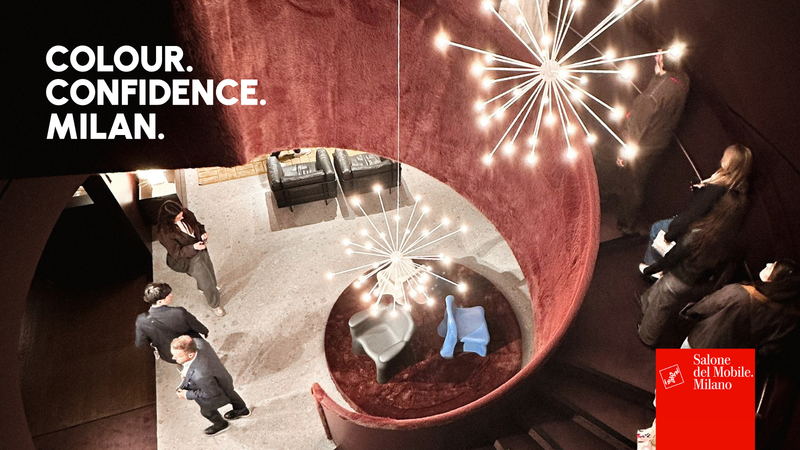
Milan Design Week has come to a close, and as always, Salone del Mobile has set the tone for the year ahead. The 64th edition brought together more than 1,900 exhibitors at Fiera Milano Rho, alongside a citywide programme of installations, exhibitions and ideas that stretched far beyond the fairgrounds.
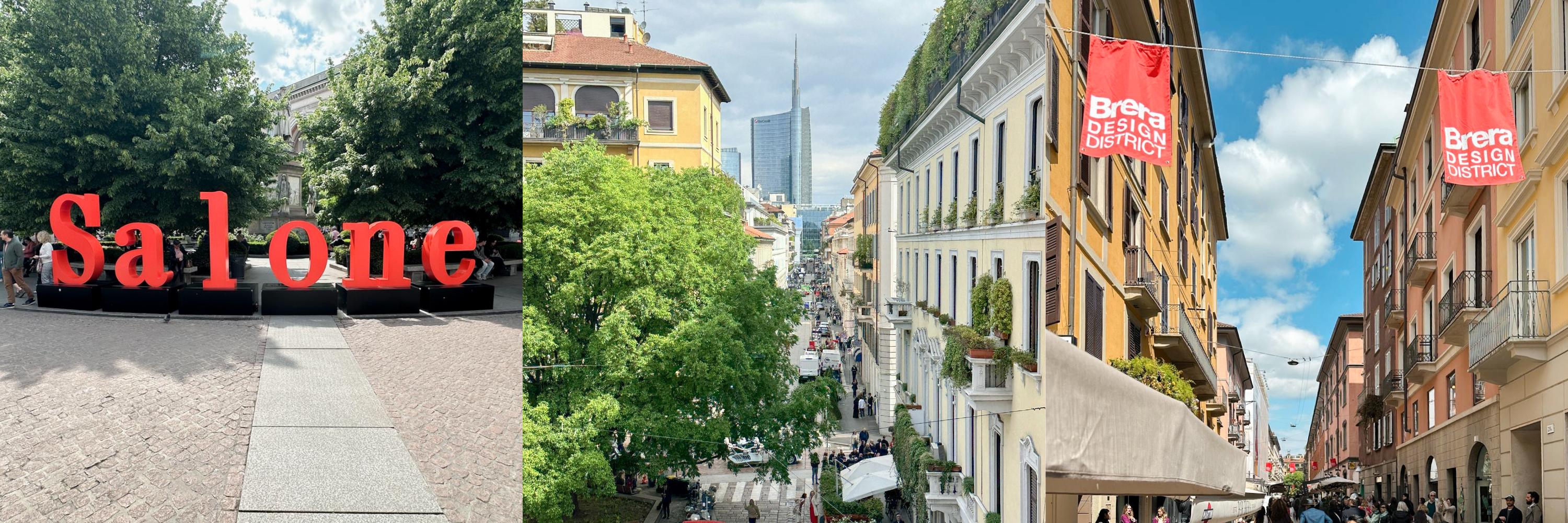
This year felt different. There was a renewed energy across the city, not just in scale but in attitude. A sense that Milan was fully back, and with it, a confidence in design that felt distinctly Italian. Bold, expressive and unafraid.
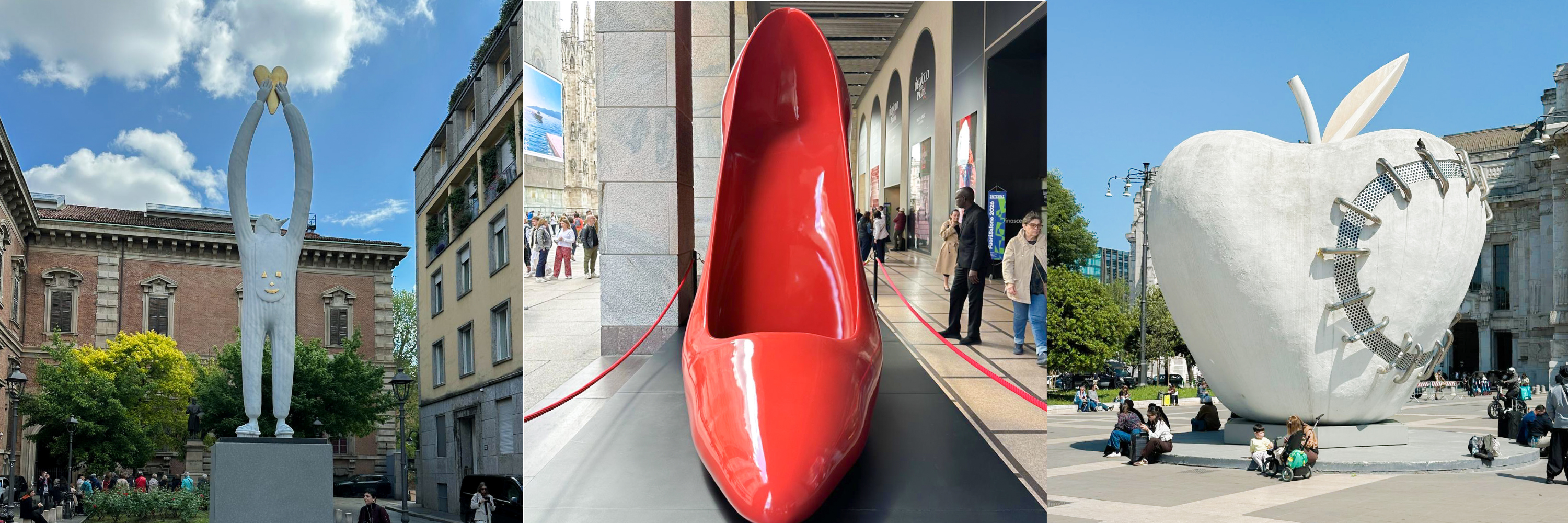
That shift showed up most clearly in colour.
Across both the fair and the wider city, palettes leaned into warmth and optimism. Saturated oranges, soft pinks, powder blues and khaki greens appeared again and again. There was something almost nostalgic in the mix, a hint of Miami, a touch of Cuba, but reinterpreted through a distinctly European lens. It felt playful but considered, expressive without losing balance.
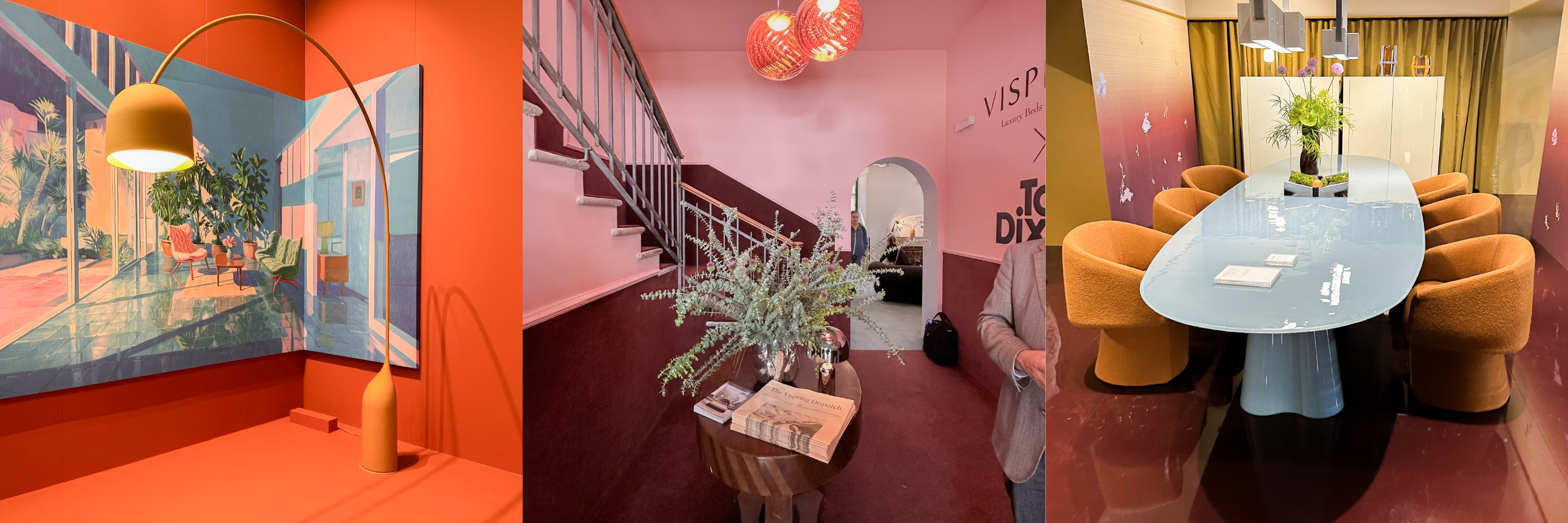
More than a trend, it reflected a wider willingness to take risks again. For a company like Wellworking, that shift feels particularly relevant.
A return to colour
One of the clearest shifts across Milan this year was the confident use of colour. After seasons of restraint, there was a sense of energy returning, with palettes that felt warmer, brighter and more expressive.
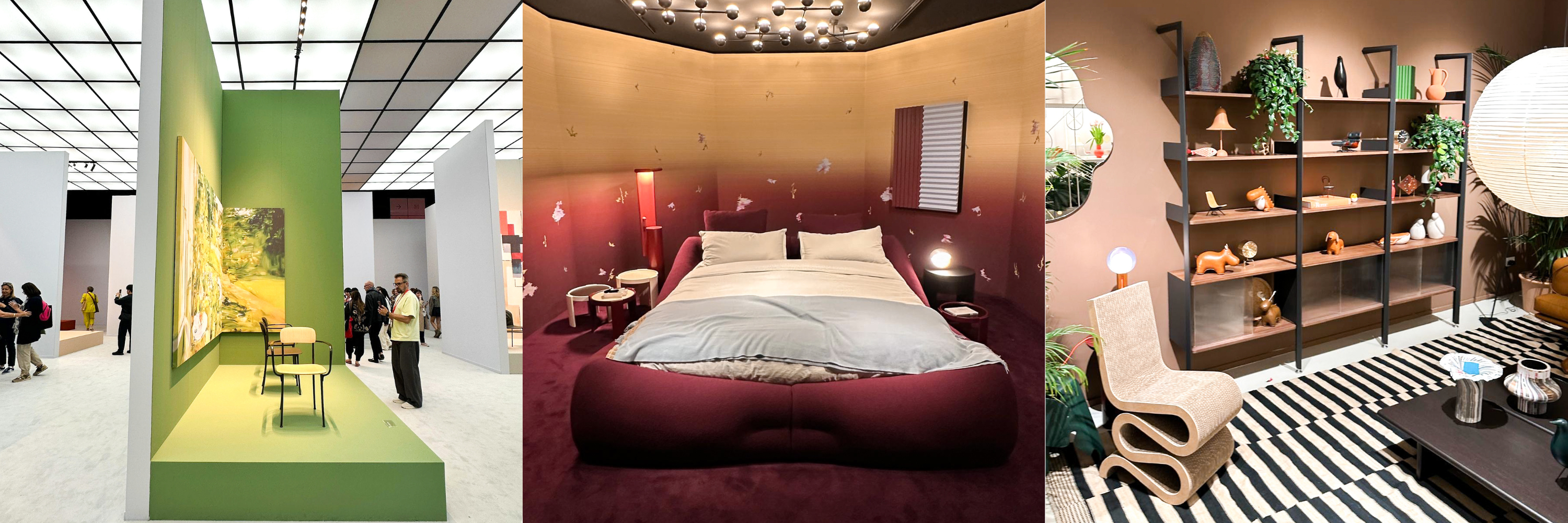
Kartell took a more conceptual approach, using white as a starting point. Their stand read almost like a blank canvas, with products by Philippe Starck, Patricia Urquiola and Barber Osgerby set against a white, gallery-like backdrop interrupted by bursts of colour. Behind the pieces, large scale expressionist artworks added intensity, appearing to have been painted but in fact generated using AI, a detail not immediately obvious to visitors.
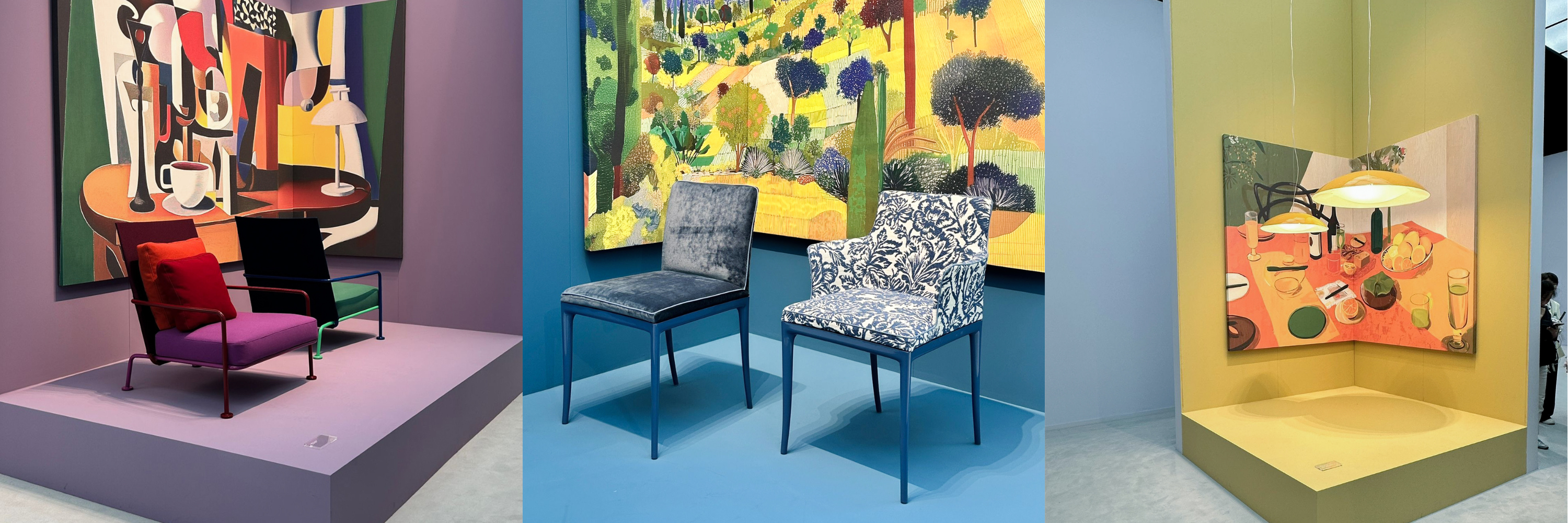
Cassina approached this through material and composition, with its Milan store centred on the idea of material intelligence. The space felt layered and considered, where finishes, forms and architectural details worked together to create a cohesive environment. Colour sat within that mix rather than dominating it, used to enhance texture and depth.
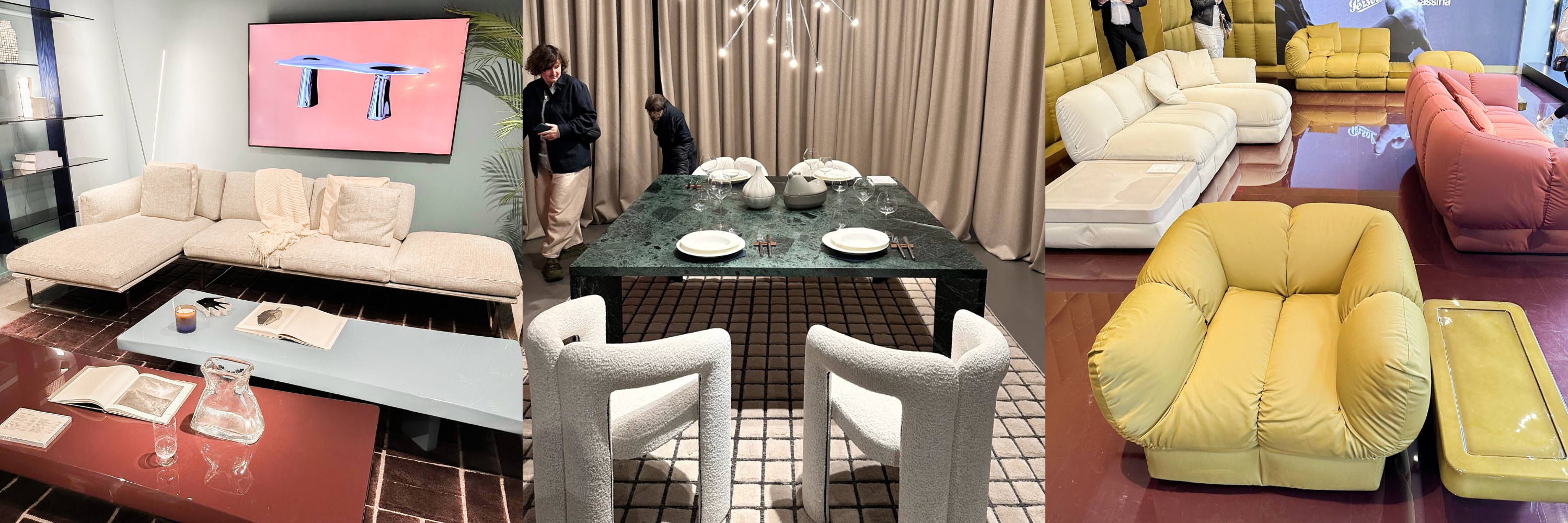
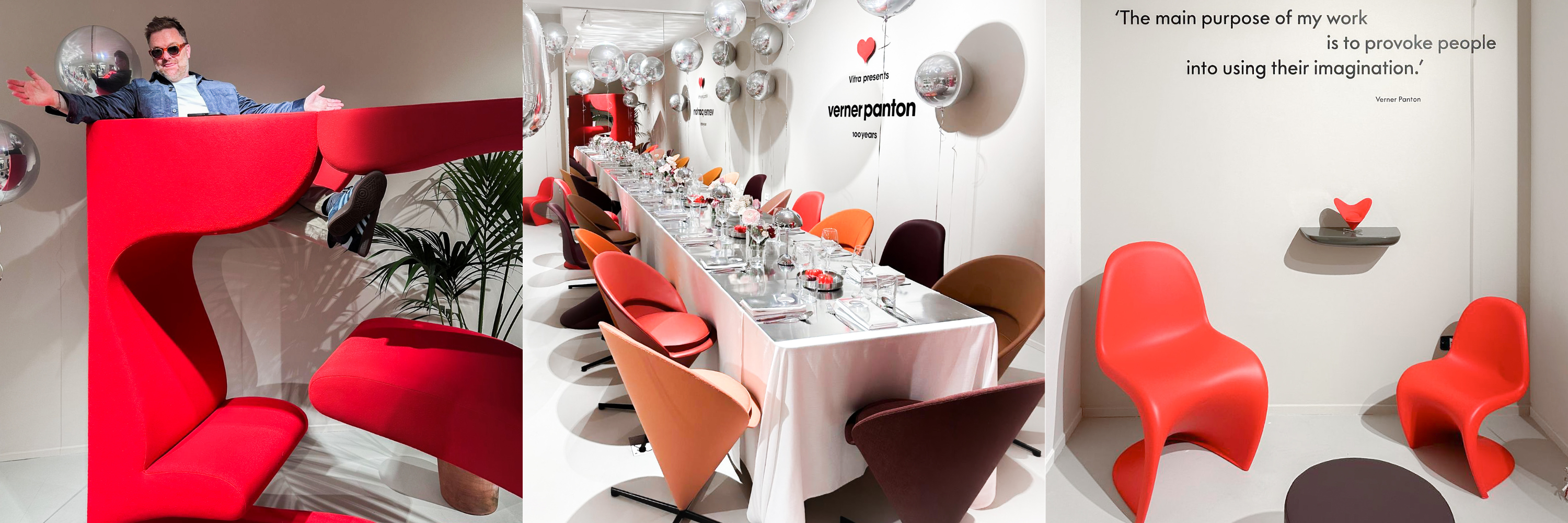
That thread carried through into Vitra’s presentation celebrating 100 years of Verner Panton. The installation leaned into his signature use of colour and form, with bold reds, soft pinks and sculptural silhouettes brought together in a way that still felt current.
Spaces, not just furniture
Some of the most talked about names at the fair, including Knoll, Muuto and Tom Dixon, moved away from traditional stand formats. Instead, they created fully realised environments that showed how their pieces sit within a wider context.
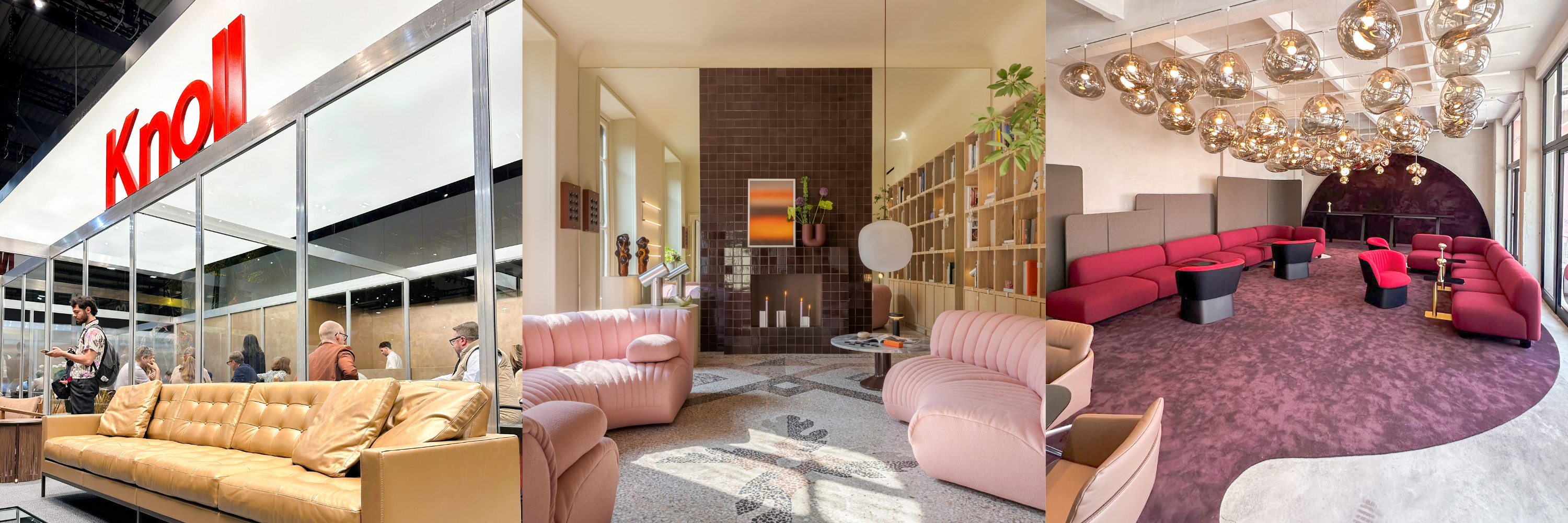
Knoll’s space felt architectural and composed, but with moments of contrast that brought in a more expressive edge. Pieces like the Dozie Kanu Table Collection introduced texture and movement through tasselled leather detailing, drawing on references from African drums, ceremonial dress and fringed cowboy jackets.
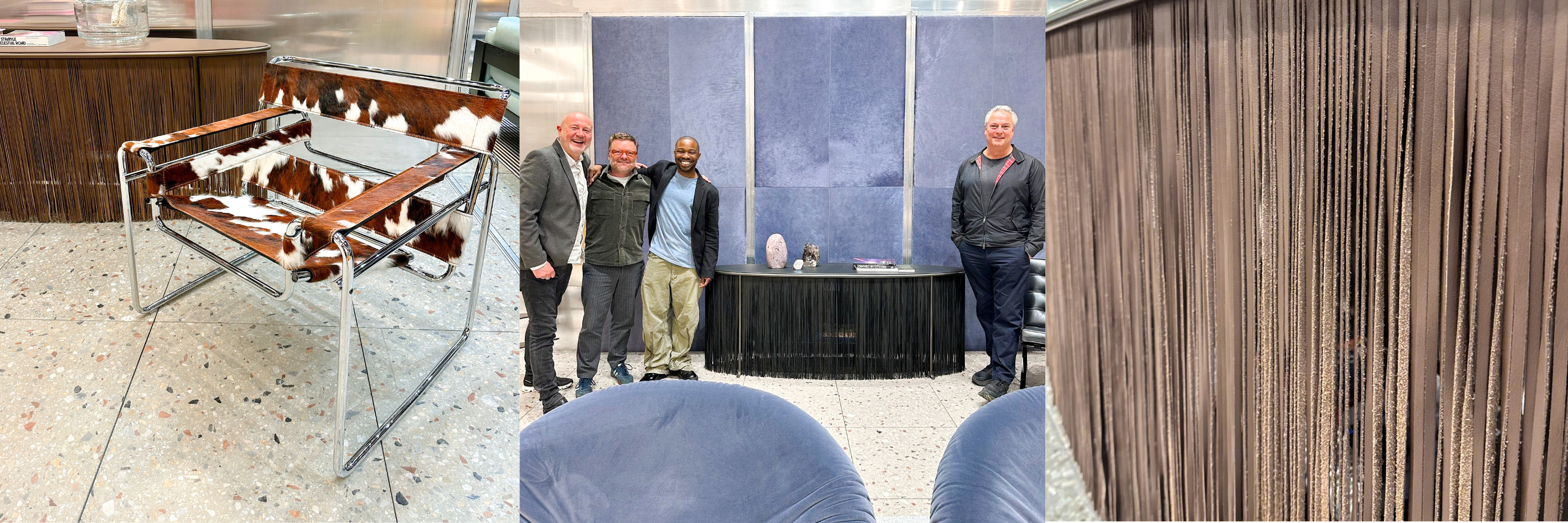
Muuto took a more residential approach with The Art of Belonging. Their Milan Apartment was designed as a lived in home, warm, slightly unpolished, and centred around how people move through a space. Each room focused on everyday moments such as gathering, hosting and winding down, with material, colour and light used to shape atmosphere.
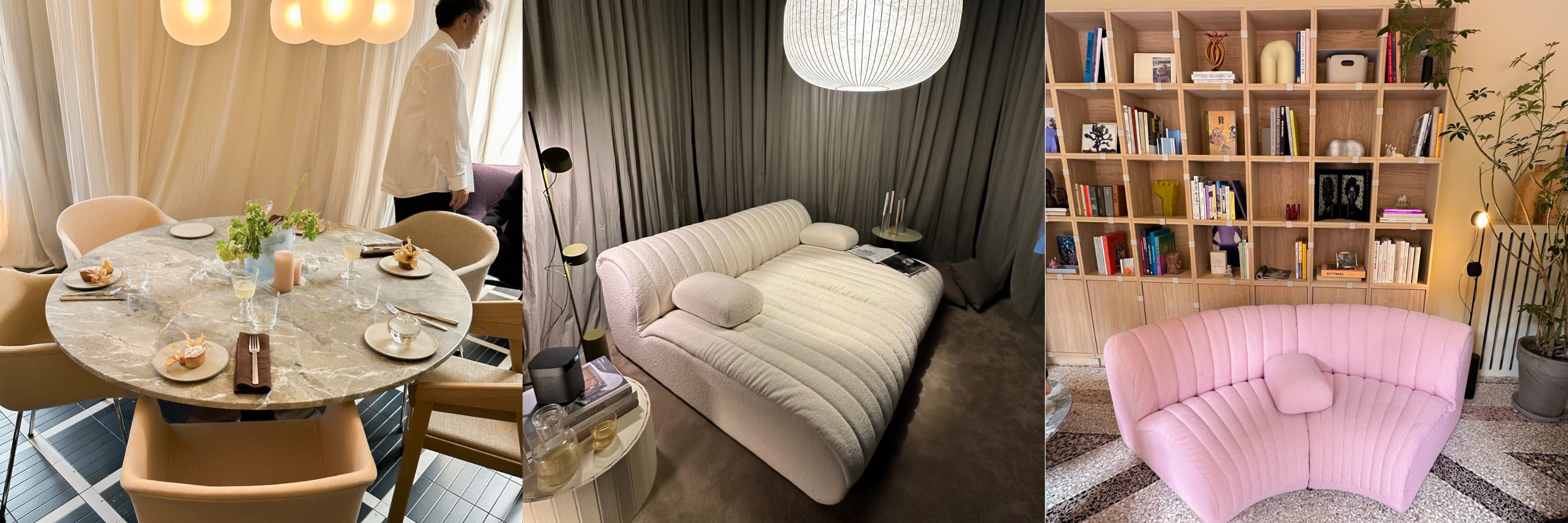
Tom Dixon moved beyond a traditional stand entirely, taking over the Mulino Estate to create a multi brand destination anchored by a new hotel concept. Set within a historic 1929 complex, the space brought together his latest collection with a series of collaborations, allowing visitors to move through layered, lived in environments.
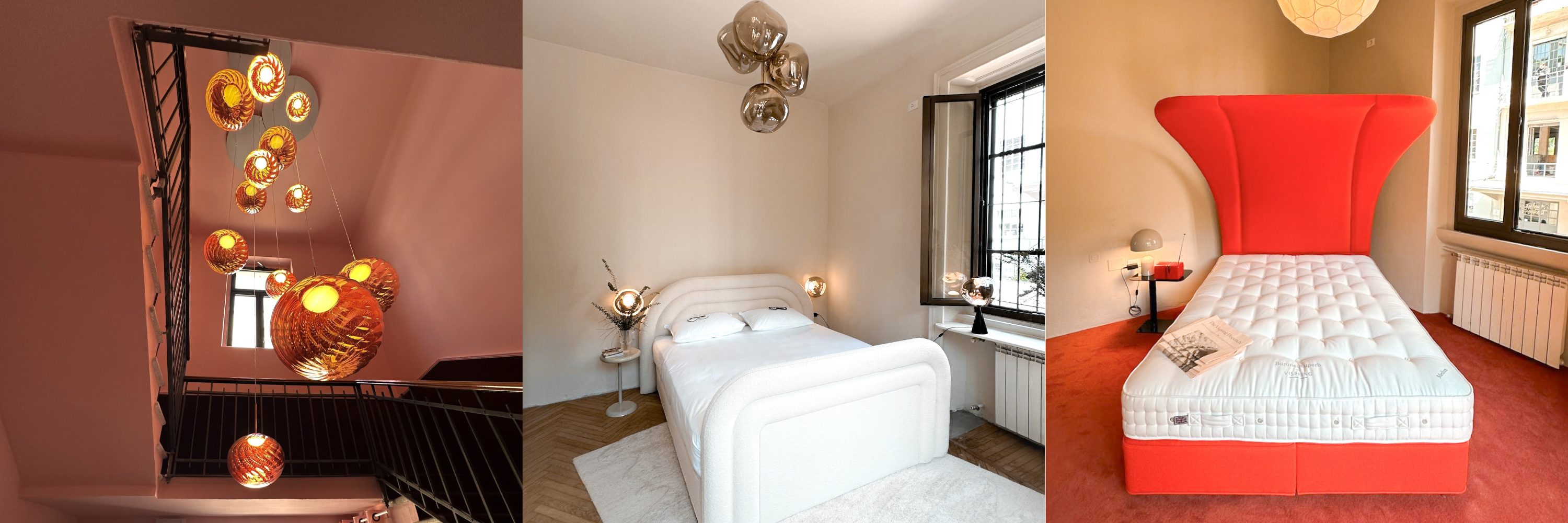
Walking through all three, it was clear that furniture is no longer being designed in isolation. Each environment told a story about how people move, interact and spend time within a space.
The reality of hybrid life
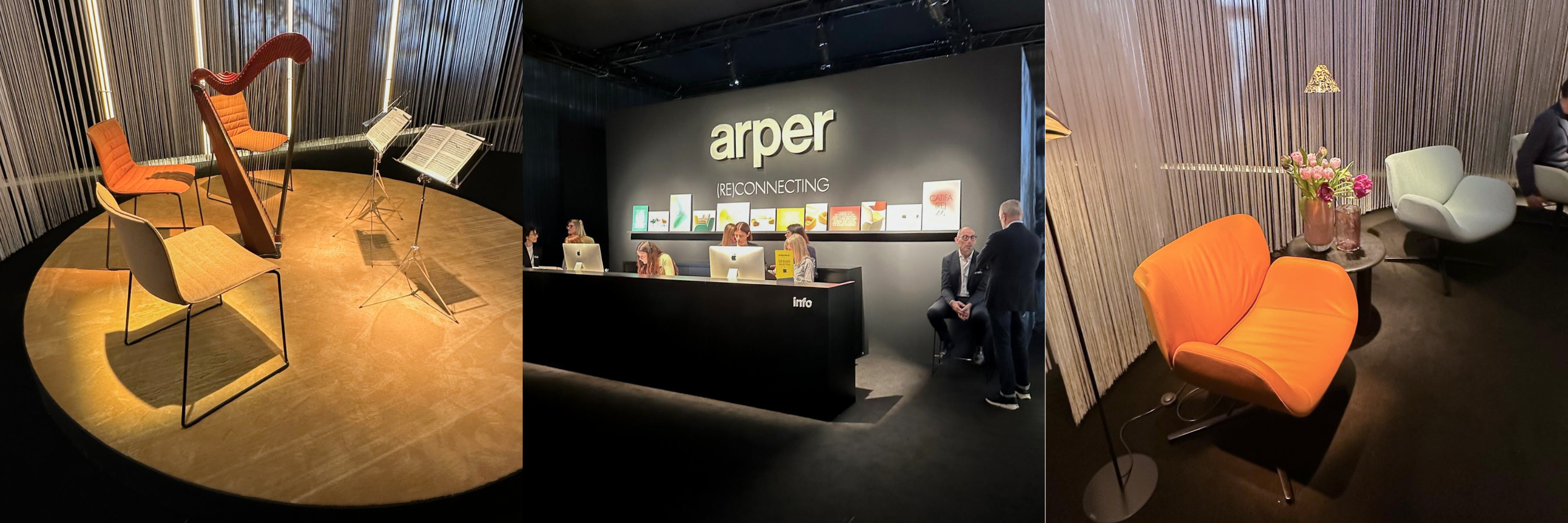
Another theme that ran throughout the week was adaptability, though it showed up in more thoughtful ways than before. Arper’s (Re)Connecting with Wonder focused less on function alone and more on how spaces support connection and pause. Their environments were designed to slow things down, creating room for reflection, creativity and more meaningful interaction.
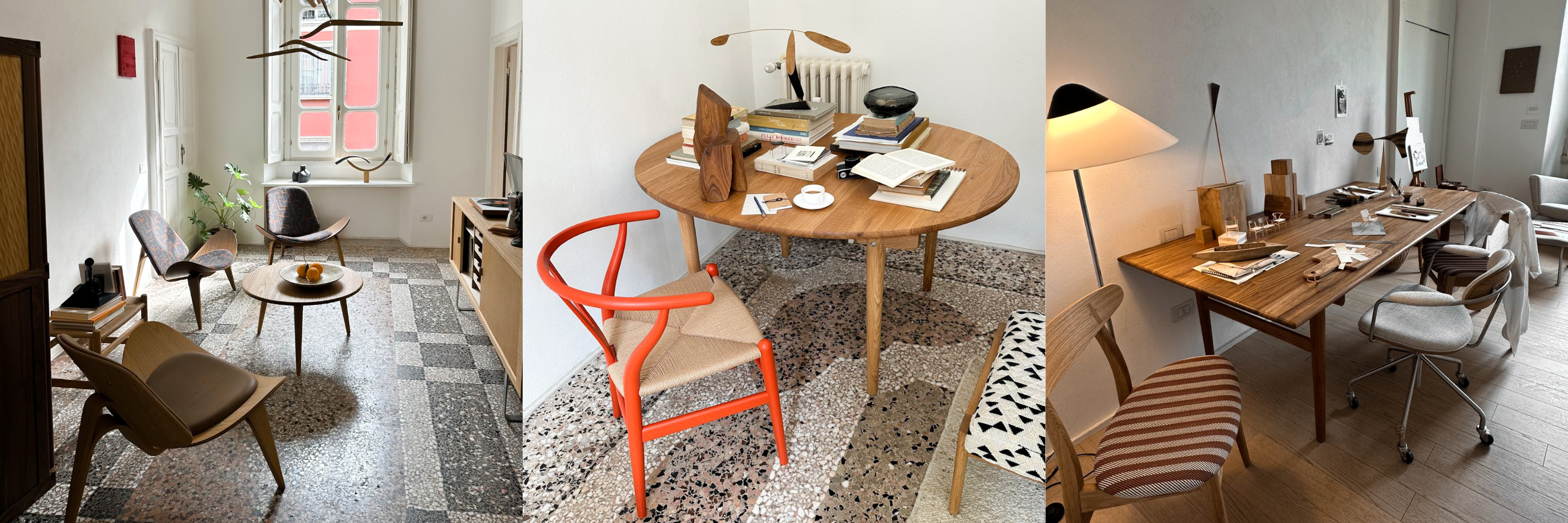
Carl Hansen & Søn approached this from a different angle with Balanced Principles – Visions of Wegner. Set within a lived in apartment, the exhibition explored Hans J. Wegner’s design philosophy through atmosphere and storytelling. The focus on material, form and function felt timeless, showing how well considered design can support modern ways of living without needing to over adapt or over complicate.
The boundaries between home and office continue to blur, and the environments on show reflected that. Rather than forcing flexibility through function alone, many spaces simply felt comfortable enough to support different ways of working.
For Wellworking customers, this is not a future trend. It is already part of how spaces are being used. The expectation now is that environments can shift easily throughout the day, without losing comfort or quality.
Design as expression
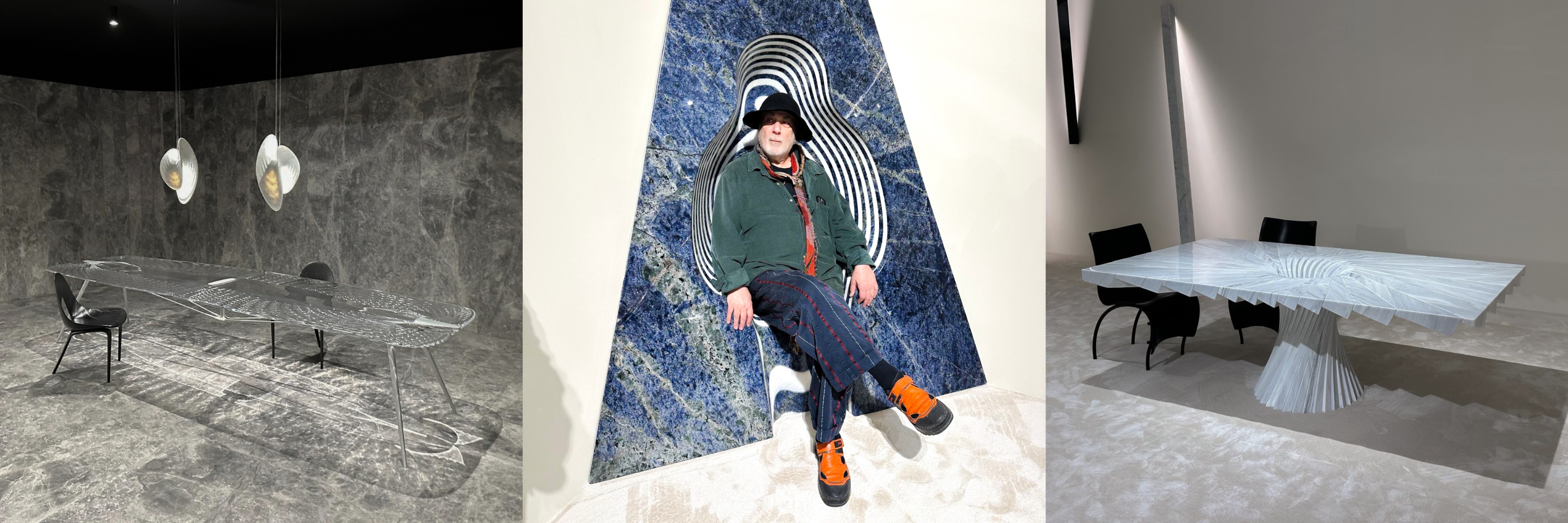
Ron Arad brought a similarly expressive approach, though through a more experimental lens. Works such as The Corner and Big Easy Rocks pushed form into something more sculptural, blurring the line between furniture and object. There was a sense of play and unpredictability in how these pieces sat within a space, adding contrast to the more considered environments seen elsewhere.
Thinking long term
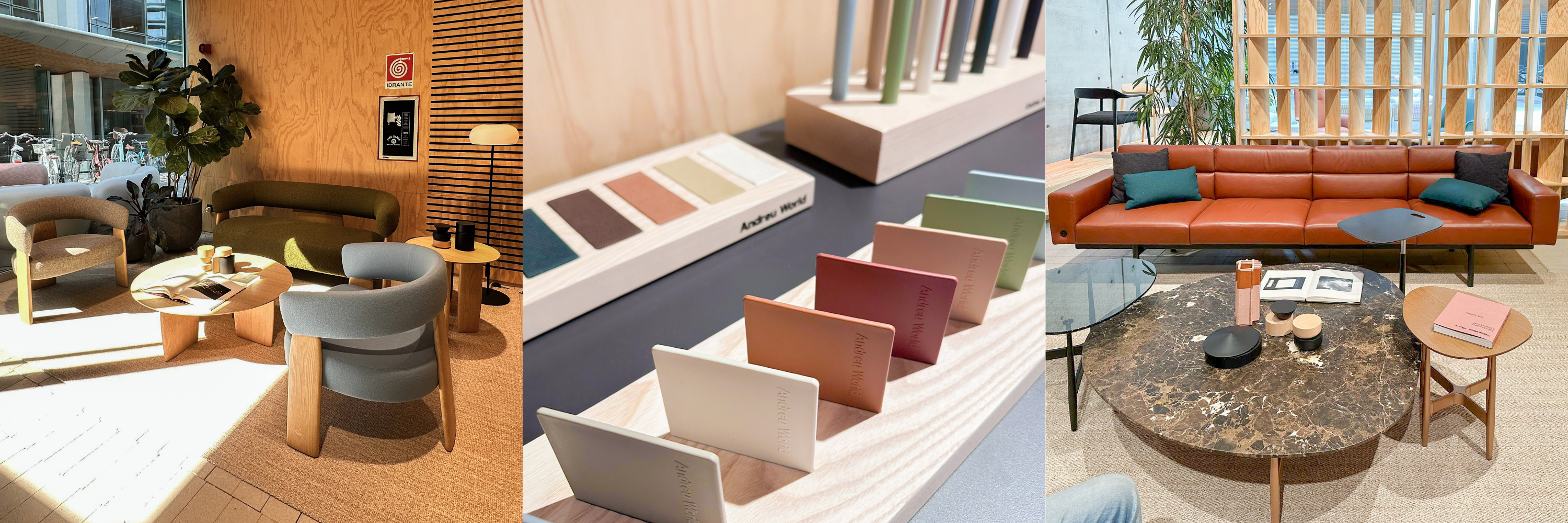
Sustainability was still a key part of the conversation, but it felt more grounded this year. Andreu World’s space, designed by Patricia Urquiola, centred on material innovation and responsibility, presented under the concept Manufacturing a Better World. The showroom moved beyond product display, creating a setting for dialogue around how design can actively shape better outcomes, with additional contributions from designer Benjamin Hubert.
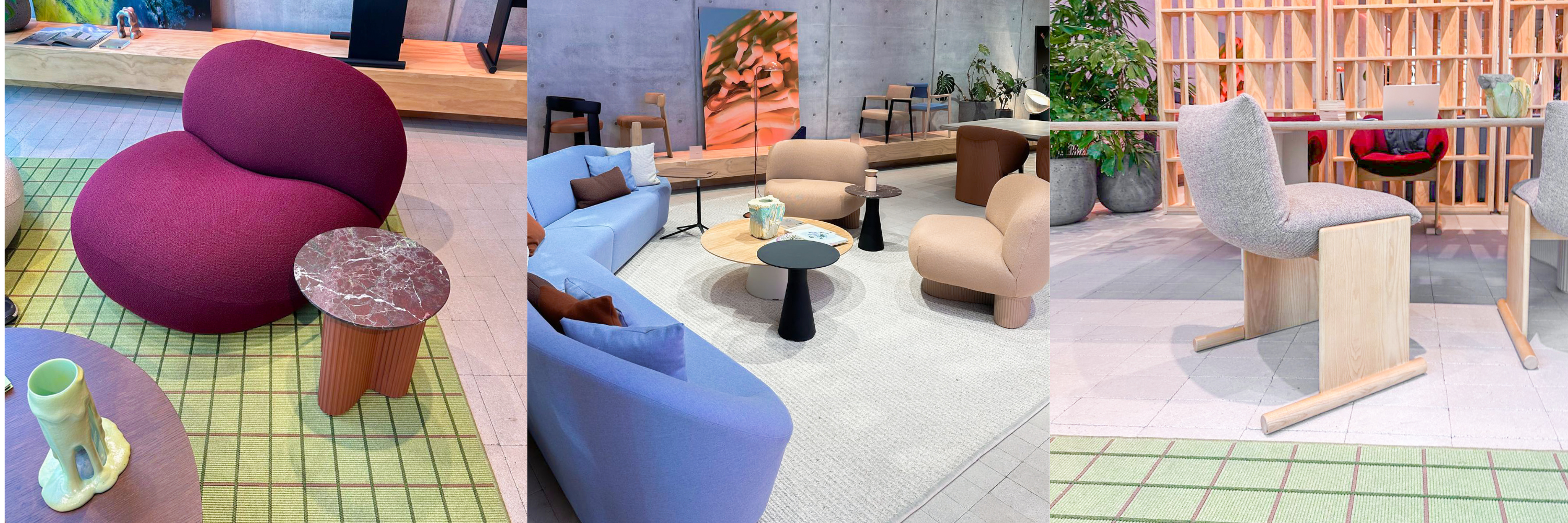
A key part of this was Andreu World’s commitment to B Corp principles, something that closely aligns with our own approach at Wellworking. The focus on transparency, social responsibility and long term impact came through clearly, particularly in developments like BIO® thermopolymer, a biodegradable and compostable material.
Milan always brings energy, but this year felt more confident and more human. Spaces were warmer, more expressive, and closer to how people actually live and work, with colour playing a bigger role in shaping atmosphere. At the same time, there is a continued approach towards longevity and responsibility. For us at Wellworking, it all comes back to creating spaces people genuinely want to be in, where design is not just seen, but experienced.