


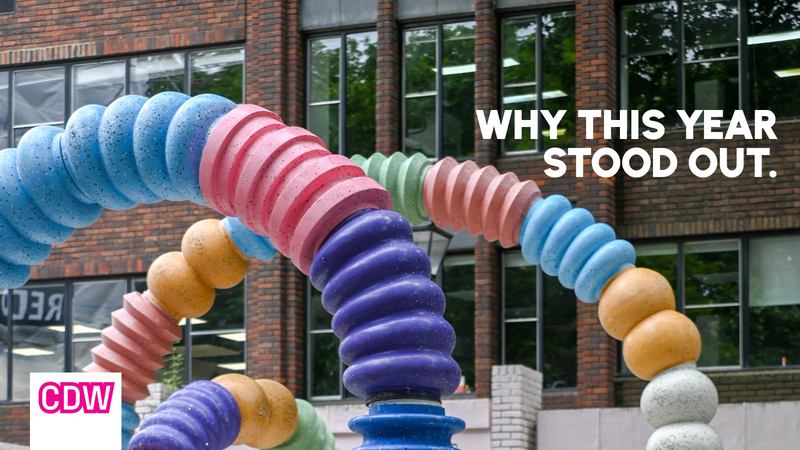
Right in the heart of London, Clerkenwell once again opened its doors for one of the most anticipated events in the design calendar. Across streets, showrooms and exhibition spaces, Clerkenwell Design Week 2026 brought together the brands, products and conversations shaping the future of the workplace.
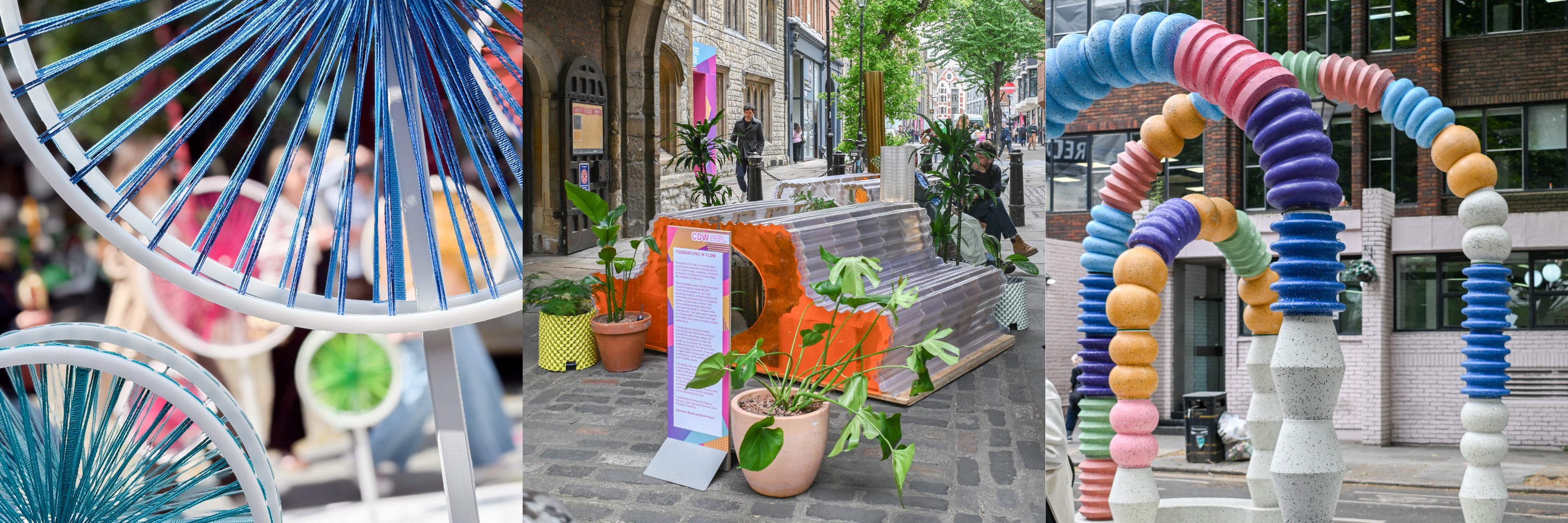
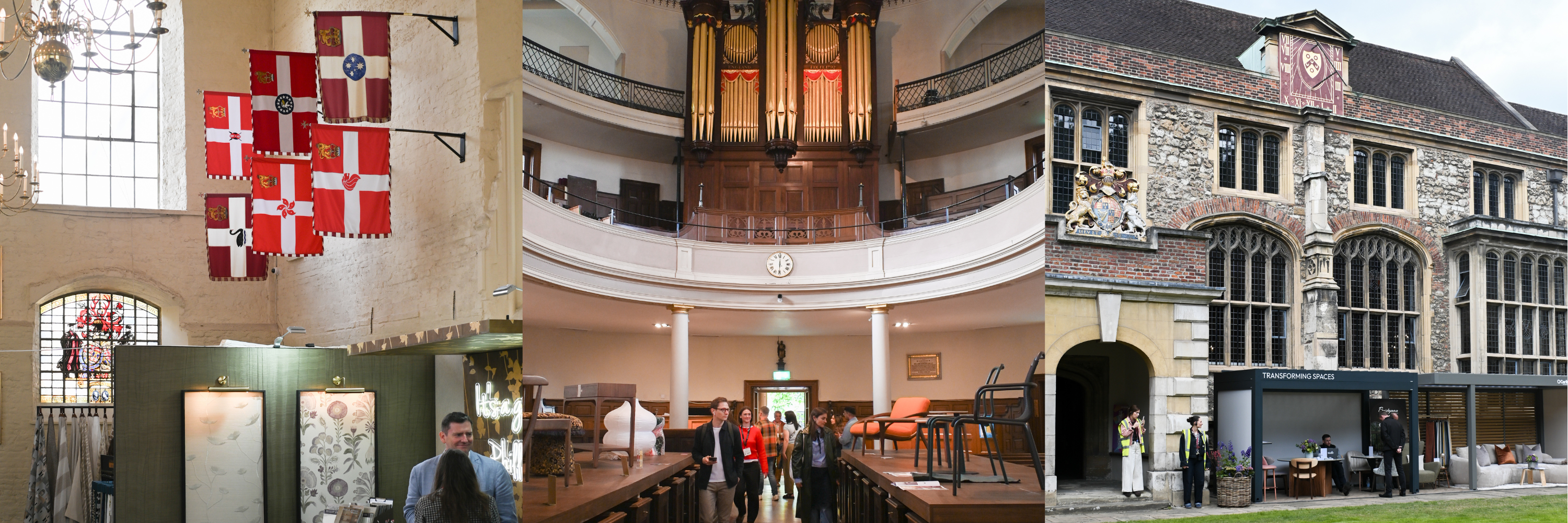
Part of what makes the festival feel so distinctive is the way it takes over Clerkenwell itself. Historic churches, landmark buildings and hidden courtyards became part of the experience, making the week feel bigger than a series of showroom visits.
For 2026, we approached Clerkenwell Design Week with a fresh perspective, wanting to experience the festival as though seeing it for the first time. What made this year stand out? Which ideas kept appearing? What did the products, materials and spaces tell us about the direction of workplace design?
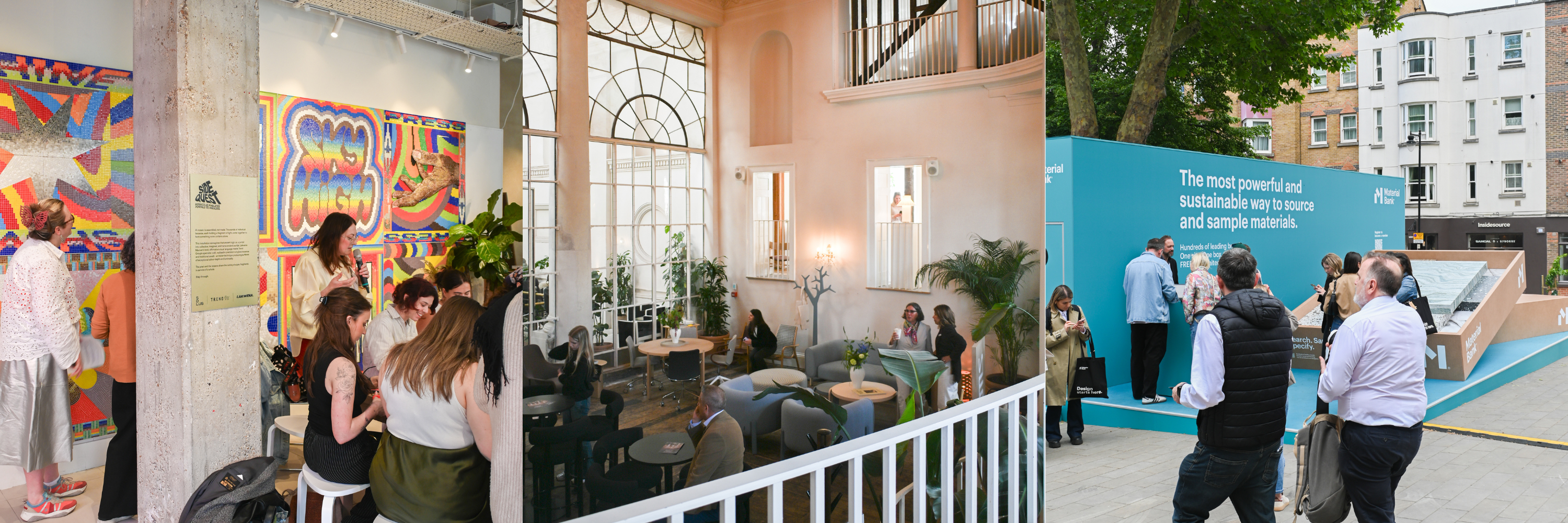
More collaborative spaces
One of the clearest messages of this at CDW 2026 was the focus on collaboration. Not just formal meeting rooms, but softer, more flexible settings that allow people to come together naturally.
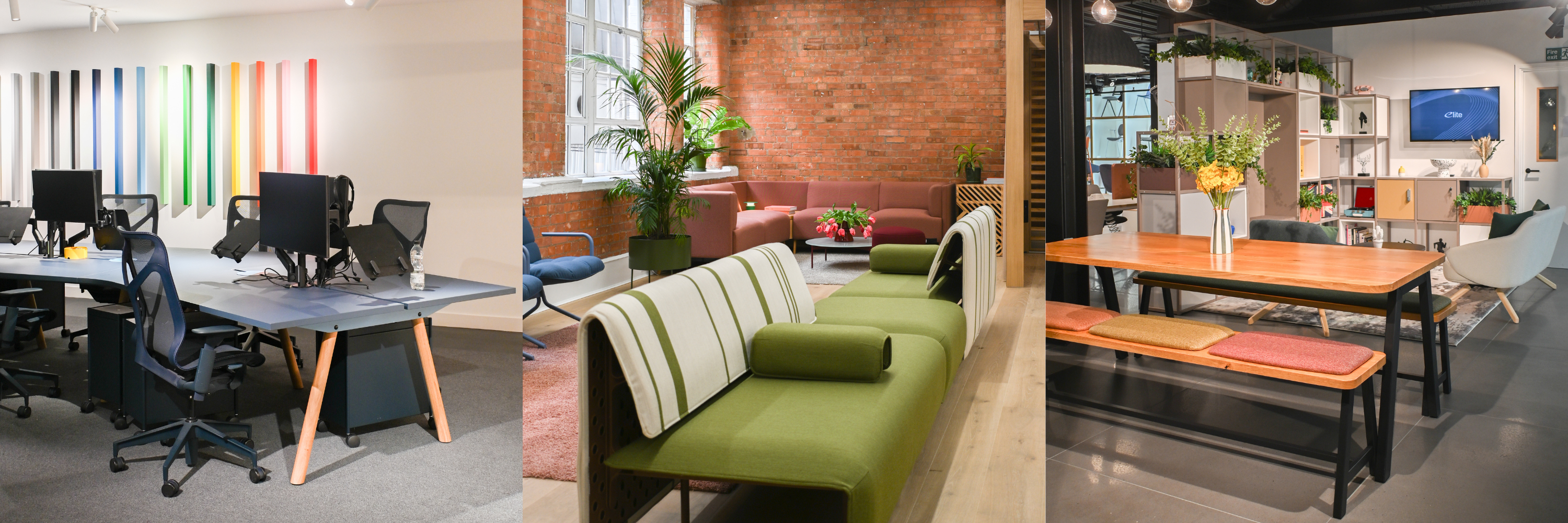
In the era of AI, this feels particularly important. As technology changes the way we complete tasks, the human parts of work become even more valuable. Workplaces need to support creativity, conversation and authentic engagement.
Flokk’s showroom concept, What Matters, focused on materials, movement and better workplace design. That felt very aligned with the direction of modern workplaces, where people need environments that support both movement and interaction throughout the day.
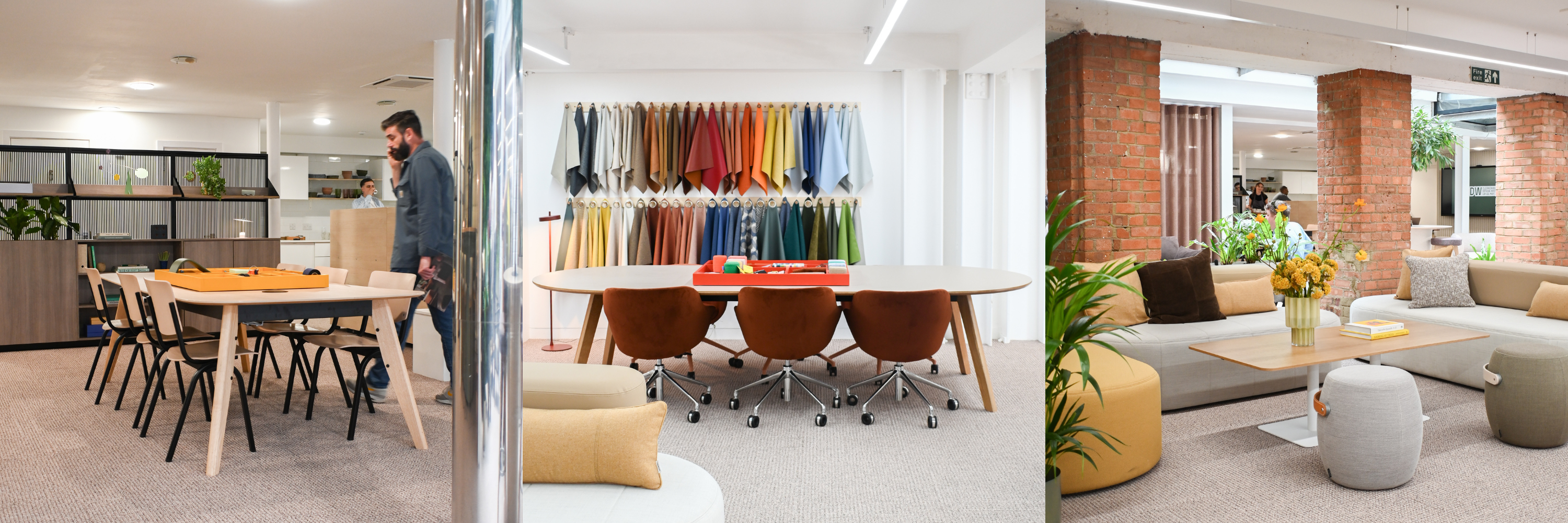
Andreu World added to this conversation, their showroom highlighted how seating and shared settings can support different ways of coming together, from informal discussions to more structured meeting moments.
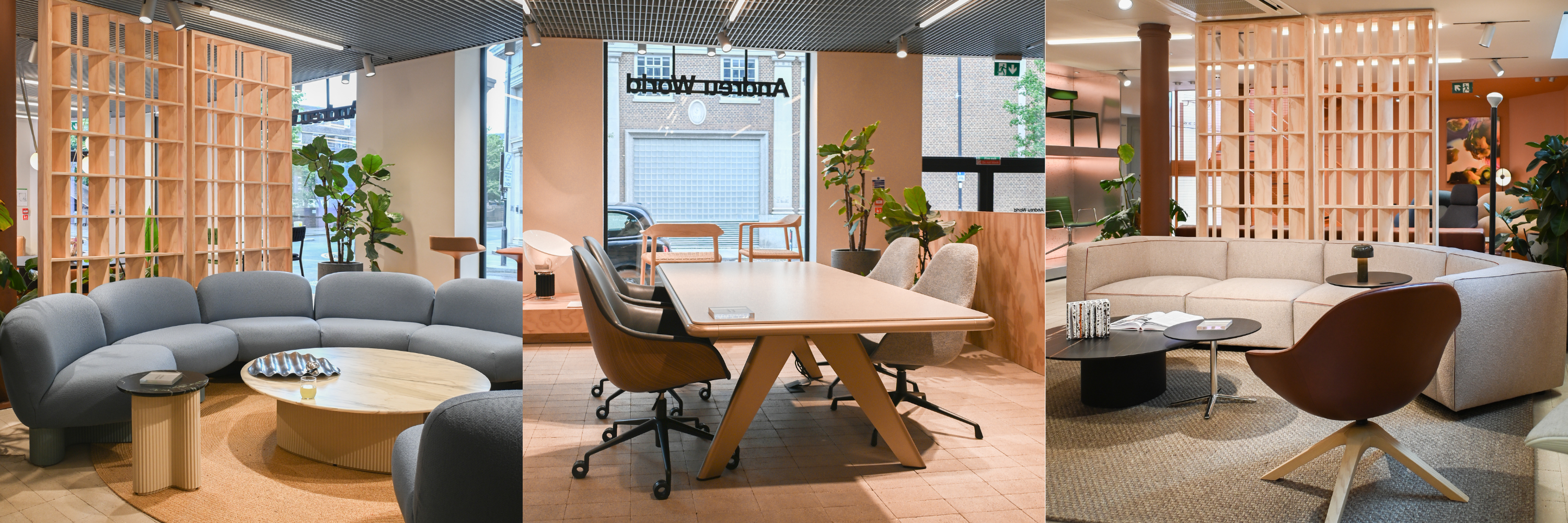
NaughtOne's London showroom language focused on work, meeting, connecting and recharging, which speaks directly to the way workplace settings are becoming more blended. Their display of the Lotti Chair added a colourful, energetic touch, showing how seating can support comfort and collaboration while also bringing personality into a space.
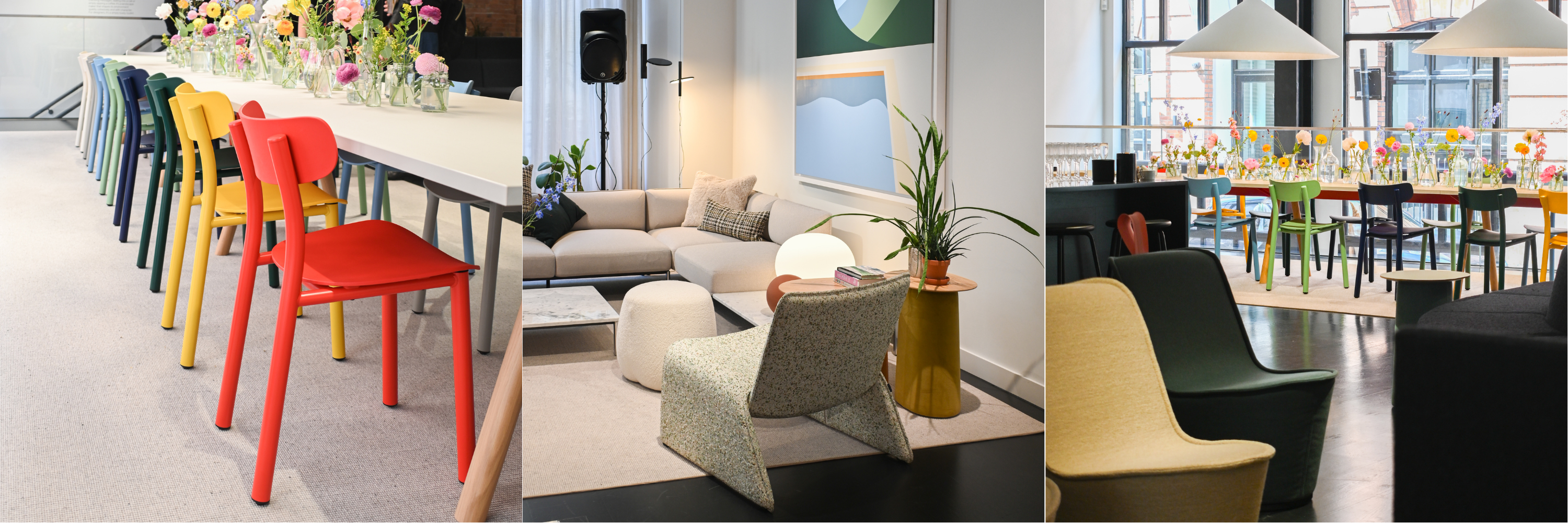
Privacy still matters
While we saw plenty of ideas designed to encourage collaboration, privacy remains an important part of workplace design.
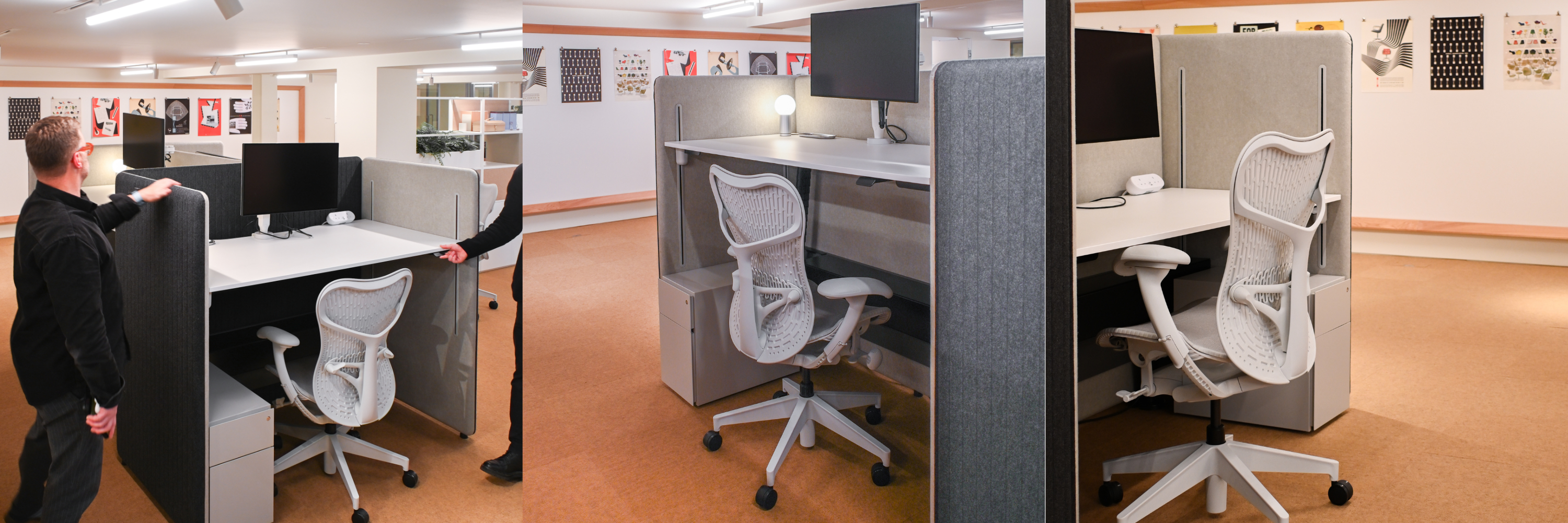
We saw great solutions enhancing privacy in task areas, such as the new Bound by Herman Miller. It showed how focused work can still be supported within open and shared environments, without making the workplace feel closed off or disconnected.
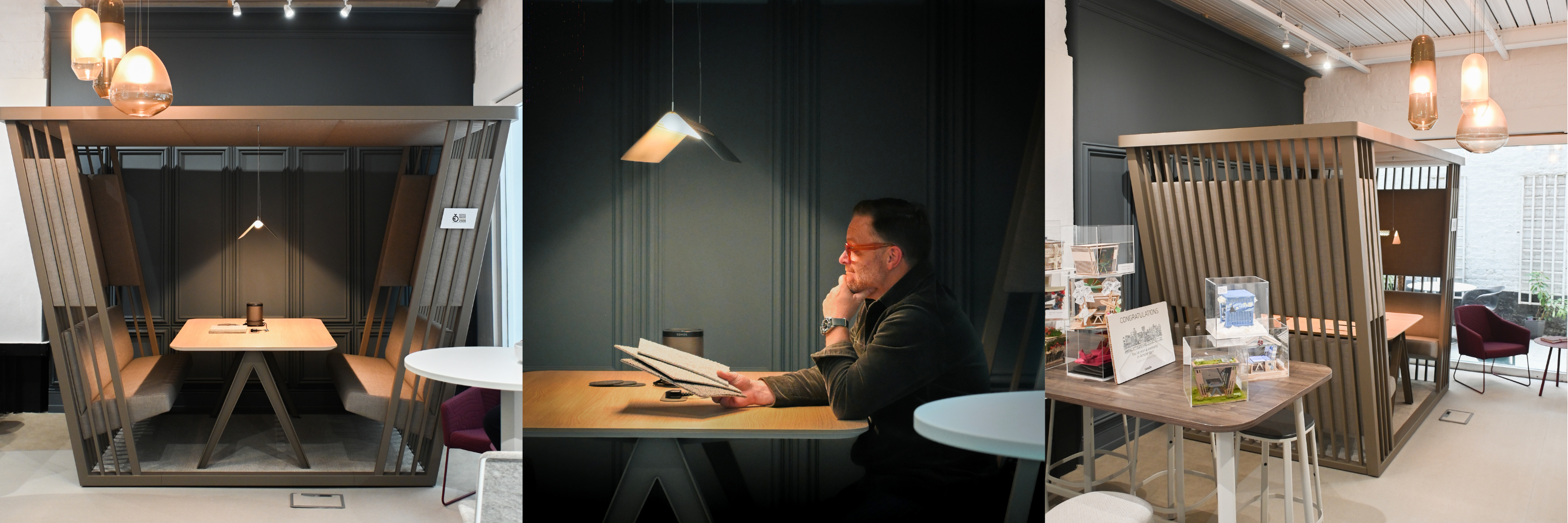
Casala’s Kabanna also offered a thoughtful approach to privacy within open settings. It showed how enclosed or semi enclosed solutions can create space for focus, conversations and quieter moments, whilst maintaining the designer look within the wider workplace.
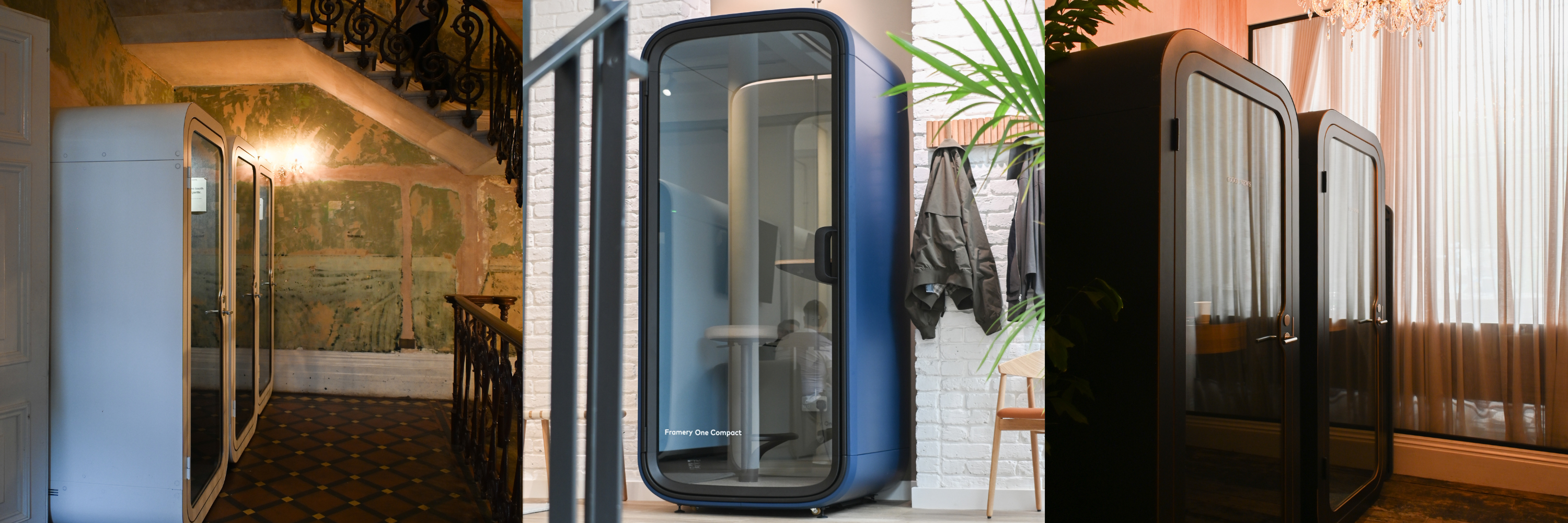
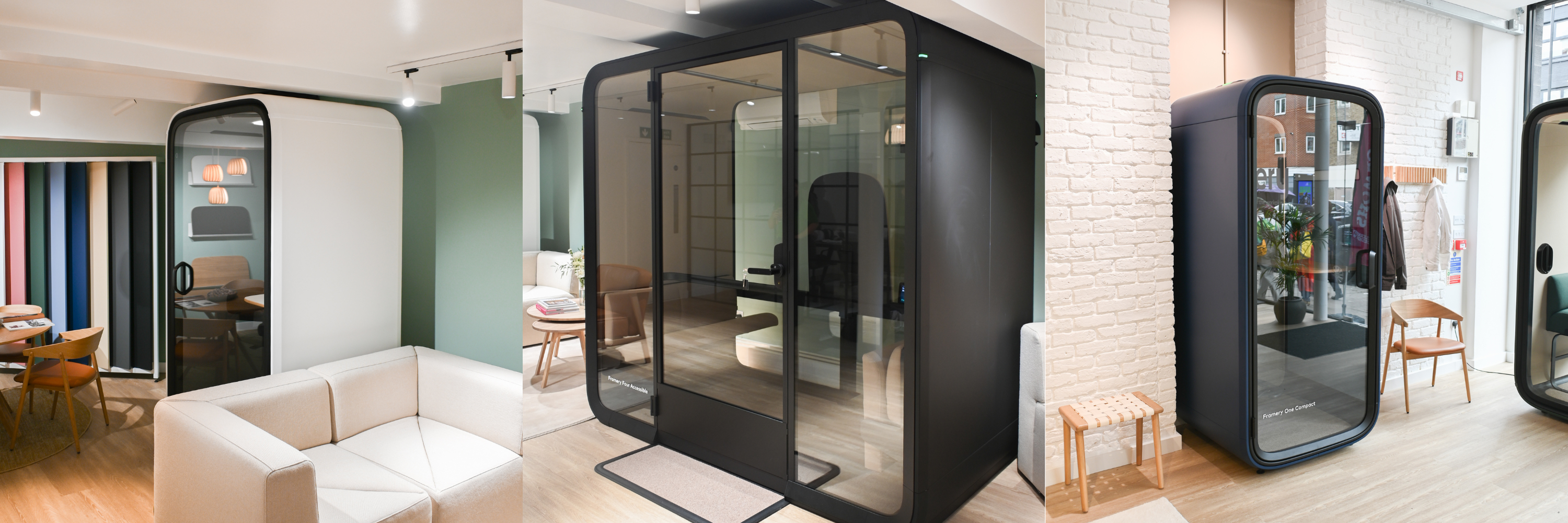
Framery continued to show the value of dedicated spaces for calls, focused work and private chats. As workplaces become more open and collaborative, solutions like these help give people the choice to step away when they need concentration or confidentiality.
Materials with more meaning
Materials were another major talking point. This year, there seemed to be a stronger focus on tactility, warmth and longevity.
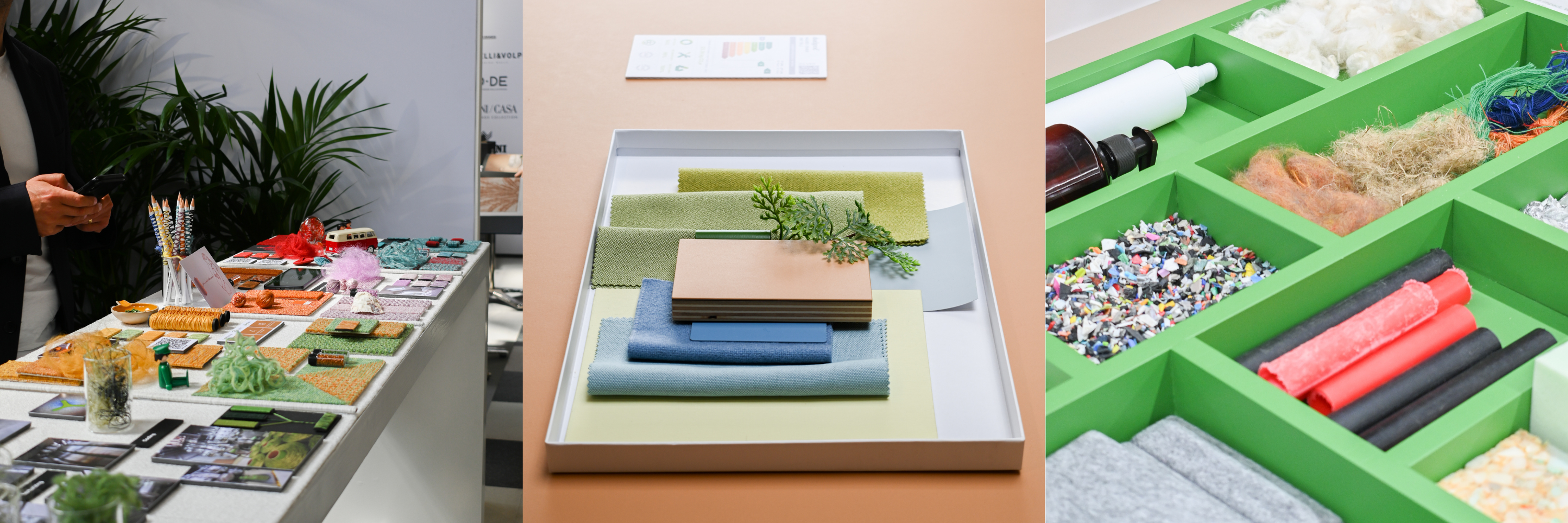
Rather than products that simply looked good from a distance, many of the most interesting pieces invited closer attention. Tactile surfaces, textures and finishes played a big role in how products felt.
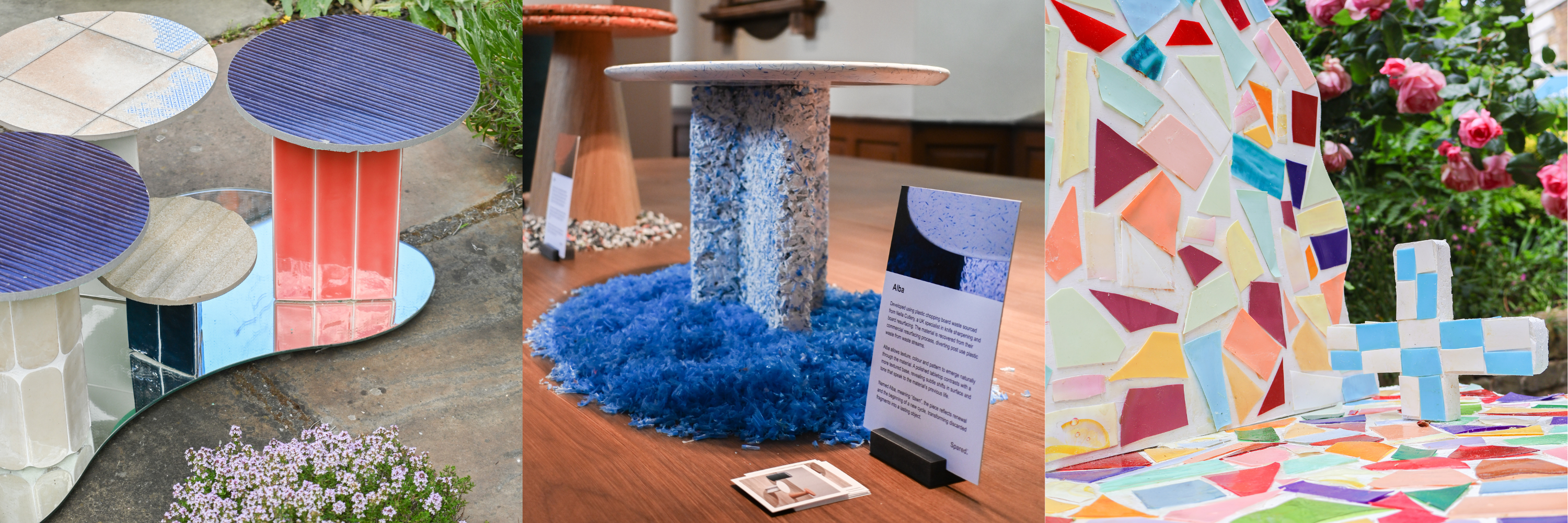
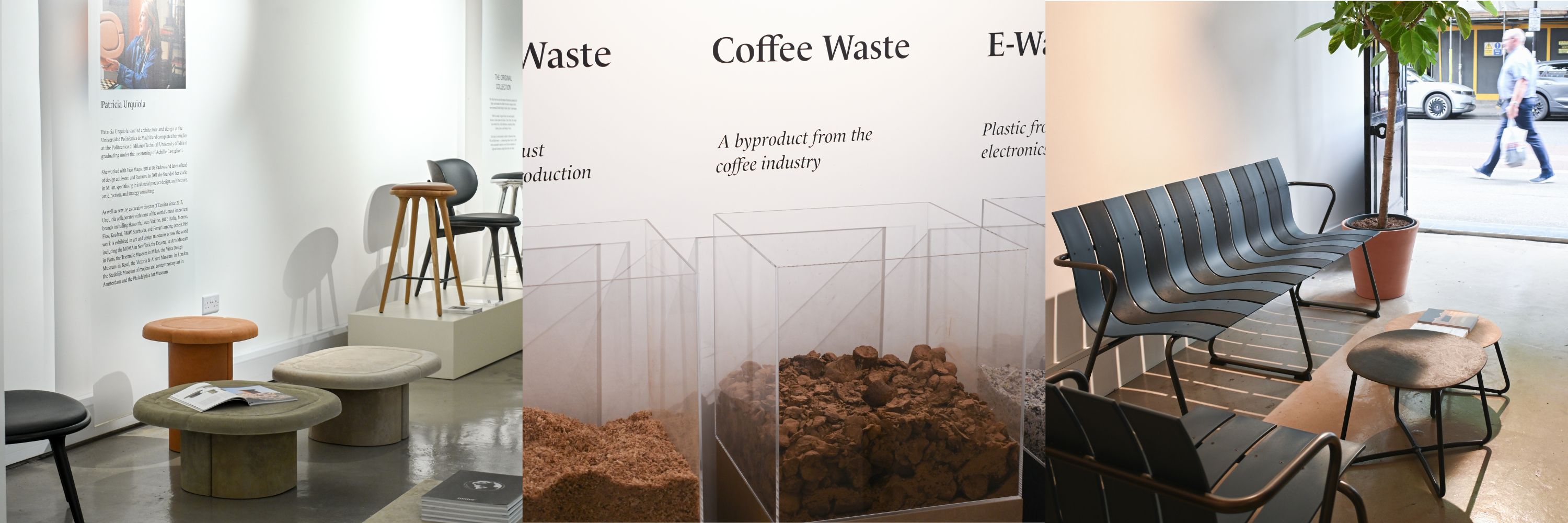
Mater felt like a natural brand to feature here, particularly through its Matek® material, which is made using waste materials such as coffee shell waste, wood waste and industrial plastic waste. Their presence at CDW reflected a wider shift towards products with stronger material stories.
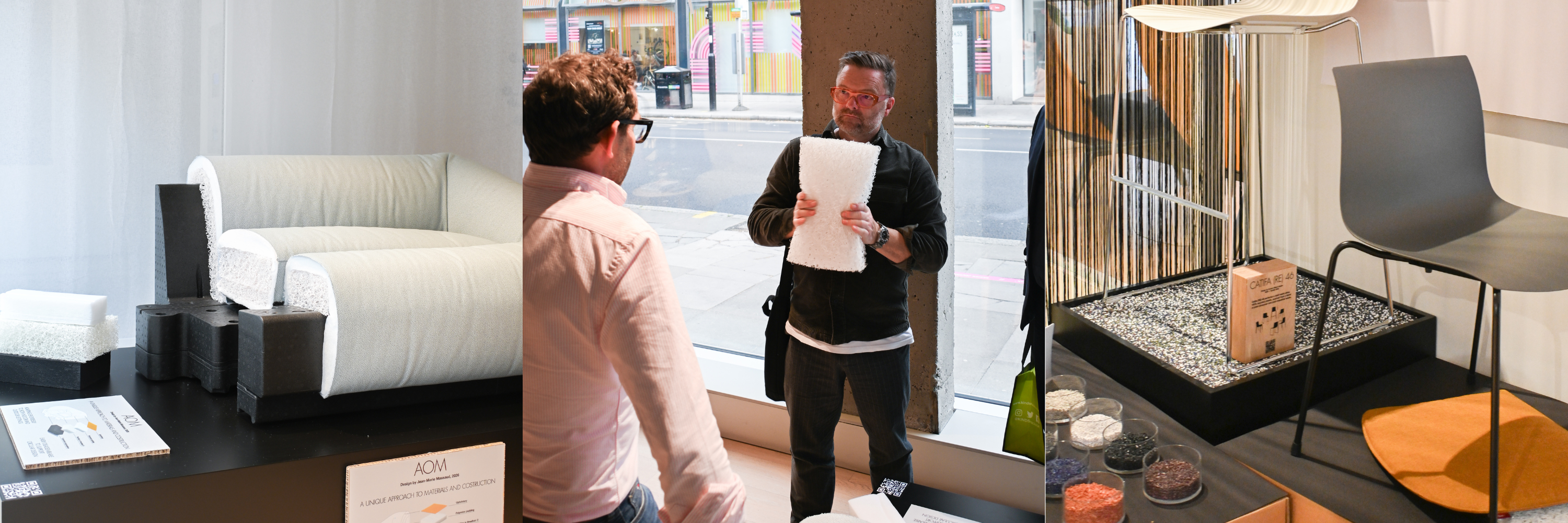
Arper also fitted naturally into this theme, with materials playing an important role in how their products felt and performed. Their showroom showed a considered use of colour, texture and finish, creating pieces that felt soft, adaptable and suited to modern workplace settings.
Classic designs and heritage
Alongside the new launches and fresh workplace ideas, Clerkenwell Design Week 2026 also reminded us of the value of classic design.
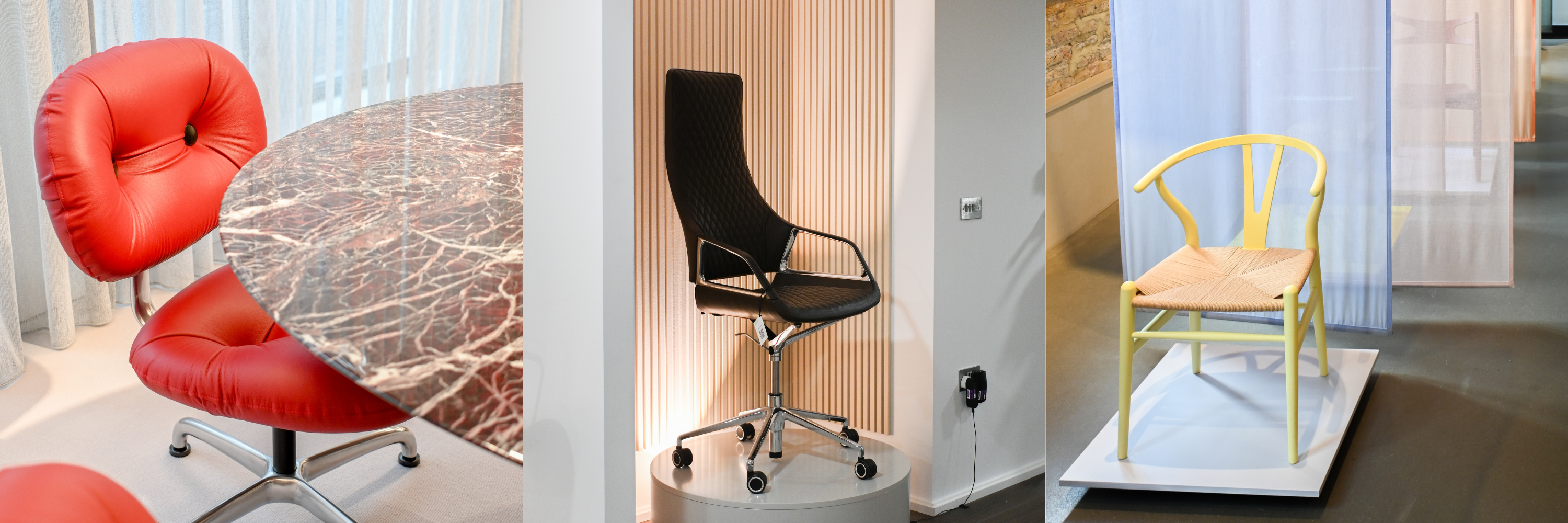
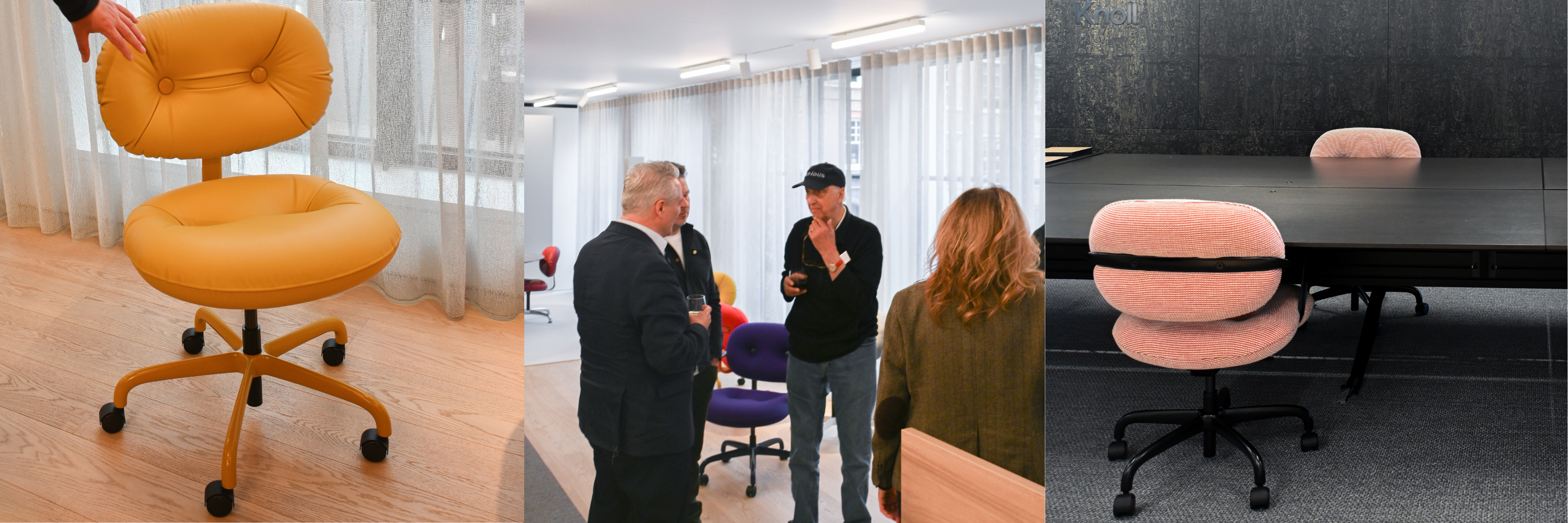
At Knoll, the Morrison Hannah Chair was a strong example of this. We were fortunate to meet it's designer, Bruce Hannah, whose work continues to have a lasting influence on modern design. Bruce told us his designs have always been shaped by curiosity and a sense of fun, something that could clearly be seen in the character of the chair itself.
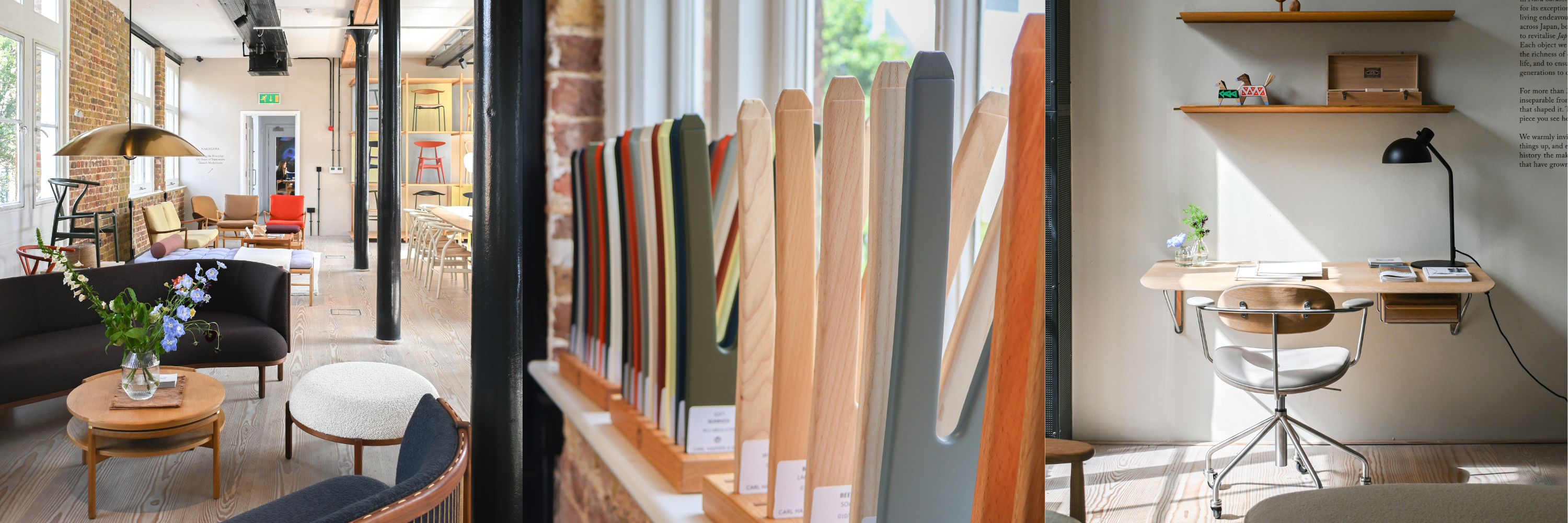
Carl Hansen & Søn’s showroom also brought this idea to life. Their space reflected the importance of craftsmanship, natural materials and enduring design, offering a quieter contrast to some of the more experimental moments across the festival. It showed that heritage does not have to feel traditional. When done well, it can feel warm, considered and completely current.
Colour with confidence
Instead of being used as a small accent, colour appeared with more confidence across furniture, settings and showroom displays. We saw softer tones used to create calm, as well as bolder colours used to bring energy and identity into a space.
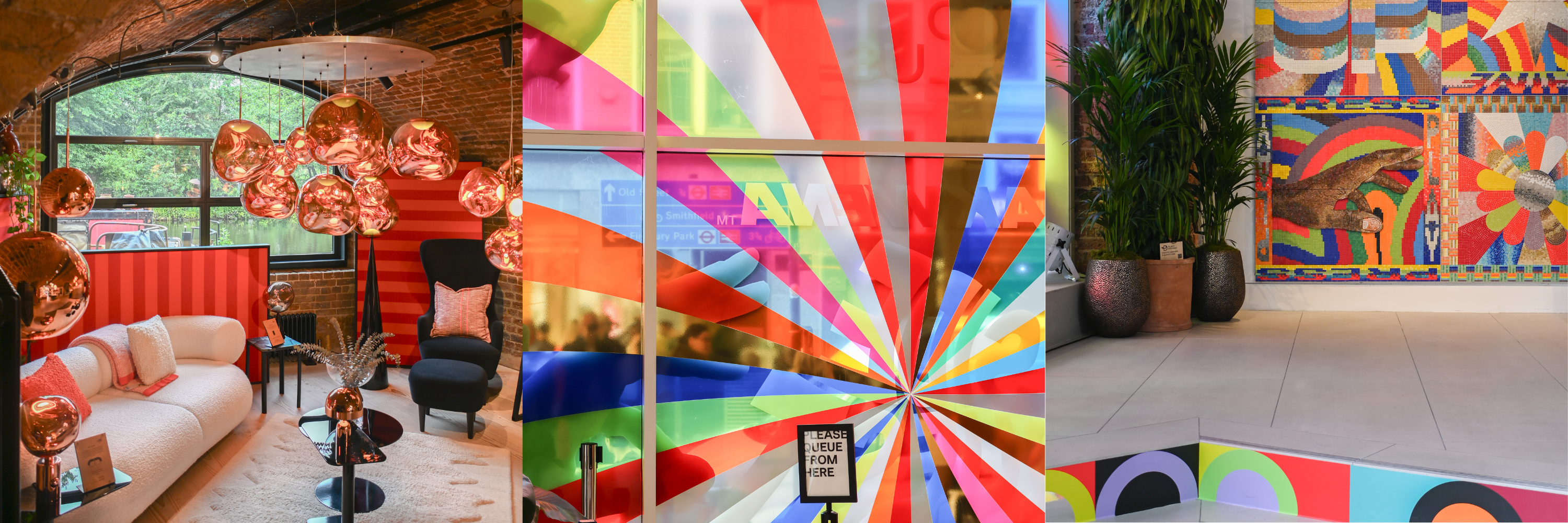
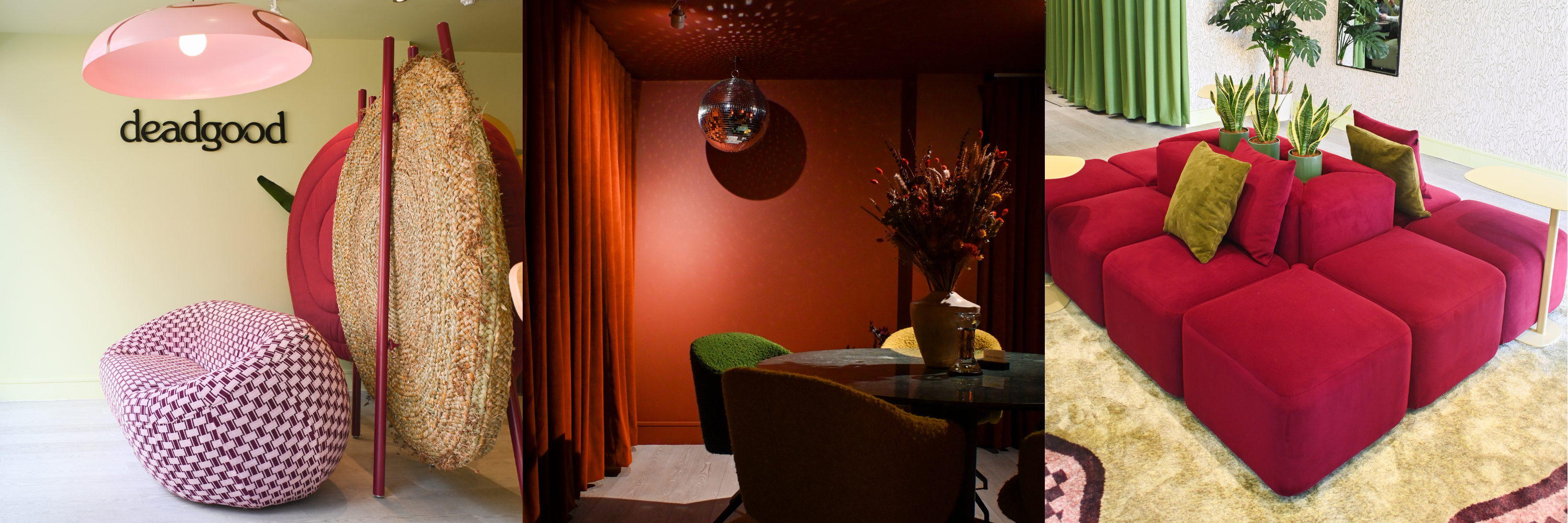
Deadgood’s showroom had a refreshed look this year, using colour to bring new personality into the space. It felt playful, confident and true to the brand, showing how colour can make a workplace setting feel more expressive without becoming overwhelming.
Muuto’s showroom also stood out for its calm but confident use of colour. Their palette felt warm, contemporary and considered, creating a setting that was both inviting and refined.
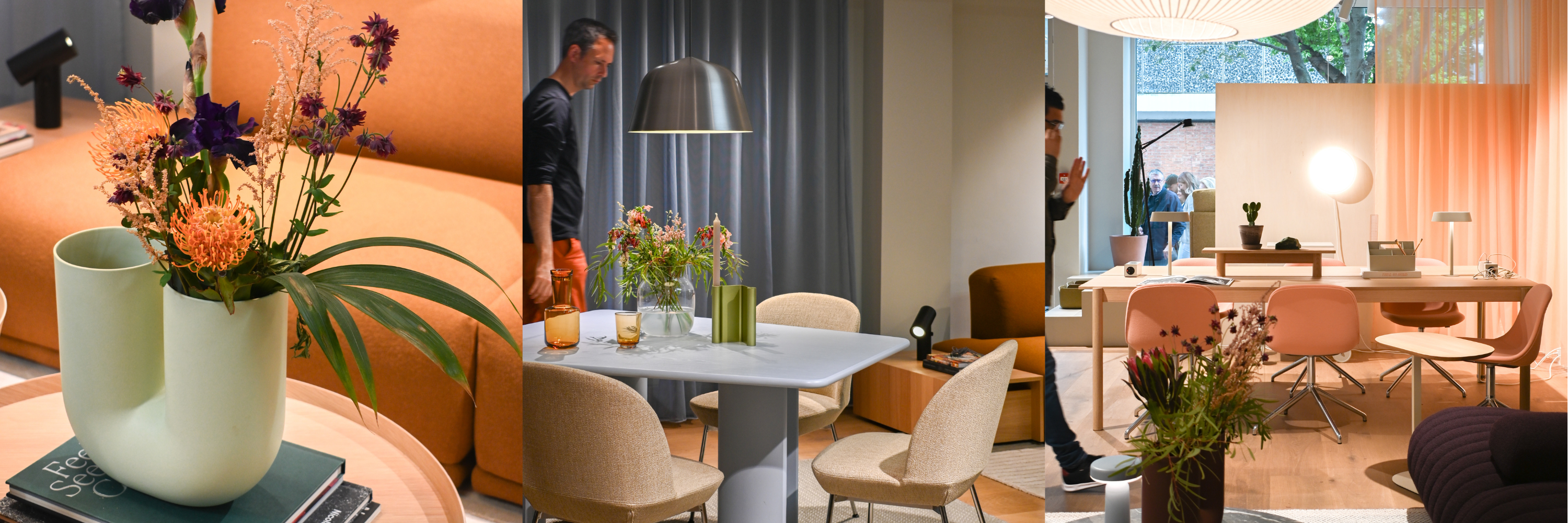
Together, both showrooms showed how colour can shape the atmosphere of a space. It was not just about individual products, but about how colour can create mood, identity and a stronger sense of place.
Outdoor spaces became part of the workplace
Another trend that stood out was the growing importance of outdoor and transitional spaces.
Workplace design is no longer limited to desks, meeting rooms and breakout areas. Terraces, courtyards and outdoor settings are becoming part of the overall workplace experience. They give people somewhere to pause, connect, recharge or work in a more relaxed way.
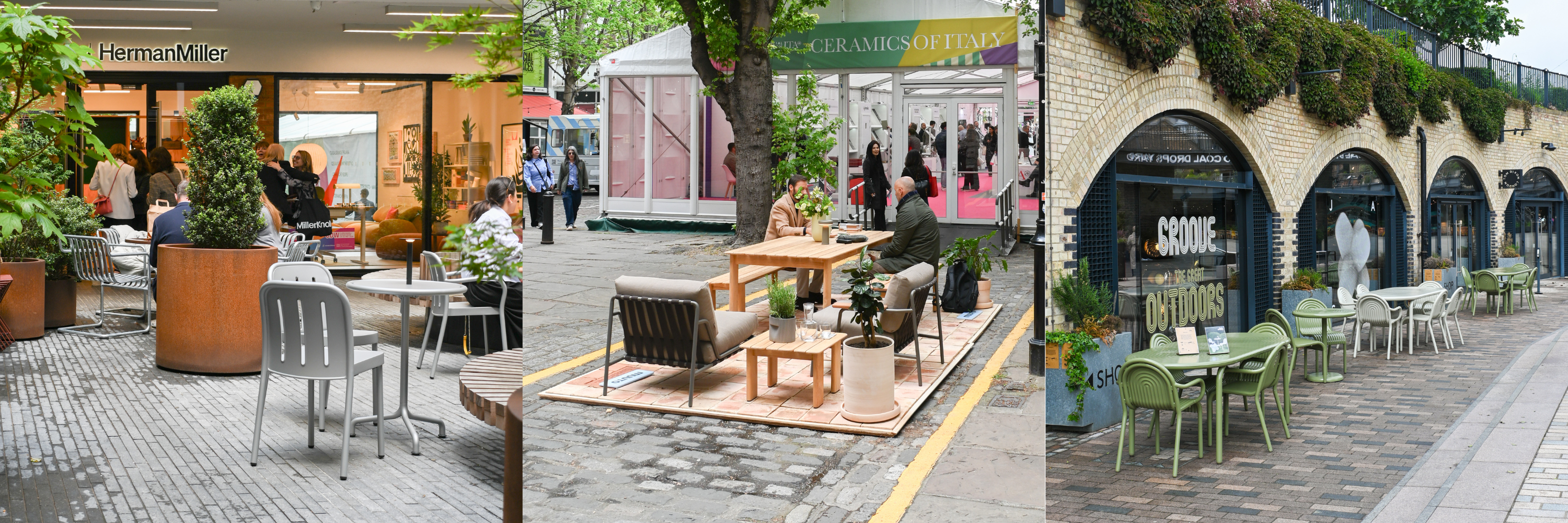
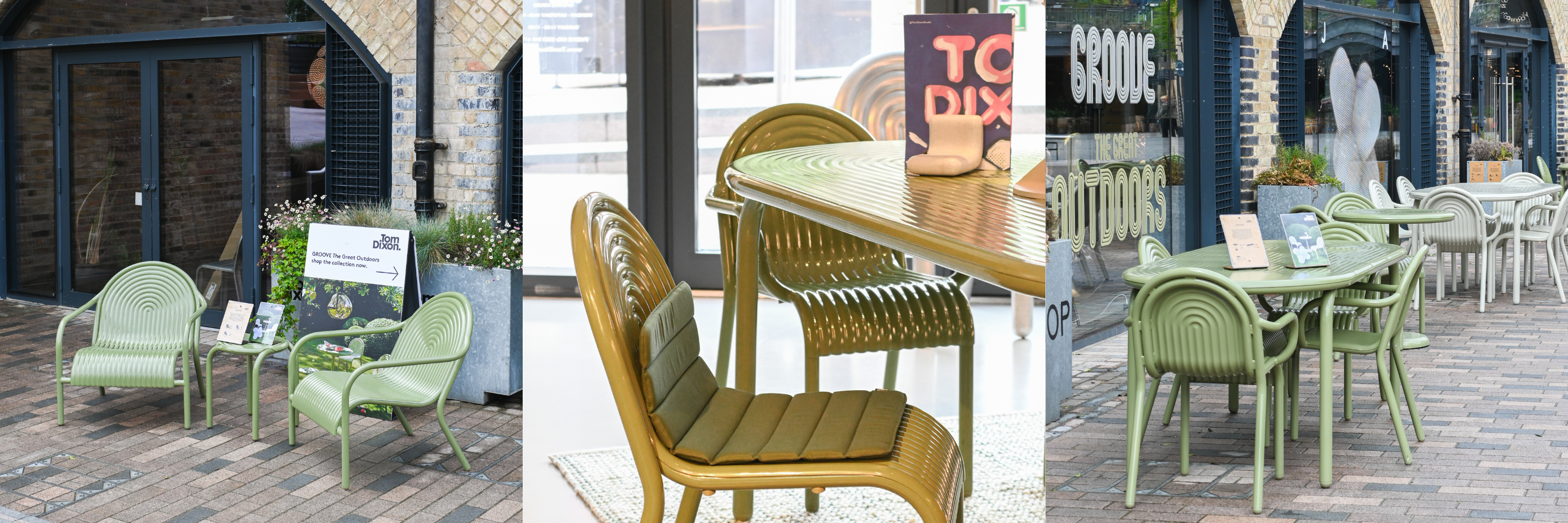
Tom Dixon felt particularly relevant here, with their CDW presence covering lighting, interior accessories and outdoor furniture. Their approach showed how outdoor settings can still feel refined and atmospheric, rather than being treated as an afterthought.
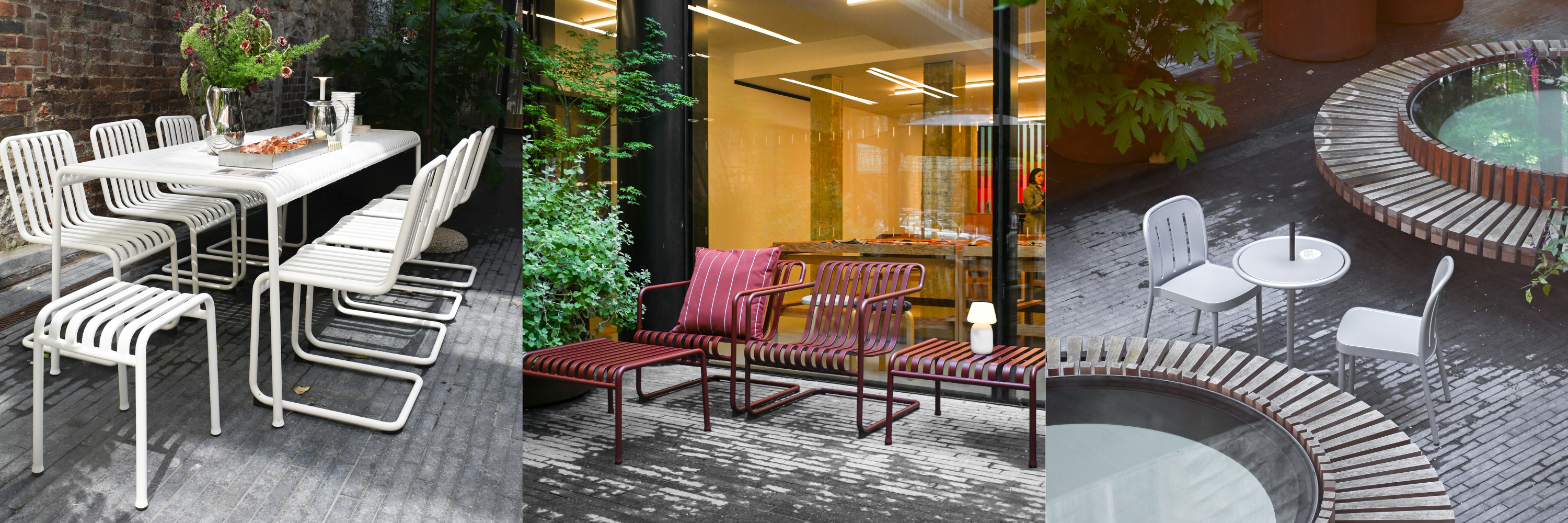
HAY also stood out through their outdoor display at The Sans, which featured pieces including the Palissade collection with the new Cantilever Chair, and Deville collection. These designs brought together durable materials with a restrained, functional design language, making them suitable for gardens, terraces and public spaces.
Are workplaces changing?
Yes, they are.
Clerkenwell Design Week 2026 made it clear that the workplace is no longer just a place to complete tasks. It is becoming a setting for connection, culture, focus and creativity.
As AI changes the way we work, the human parts of the workplace are becoming even more valuable. Collaboration, trust and shared experience all need space to happen.
This year, the strongest ideas at Clerkenwell were not just about furniture. They were about behaviour, how people move, interact, focus and feel within a space.
That is what made 2026 stand out.